Culture news and discussion on TalkFuse.
Cyberpunk 2077 Quest The Hunt, With Its Creepy Cartoon and Disturbing Braindance, Was Meant to Feel Like True Detective
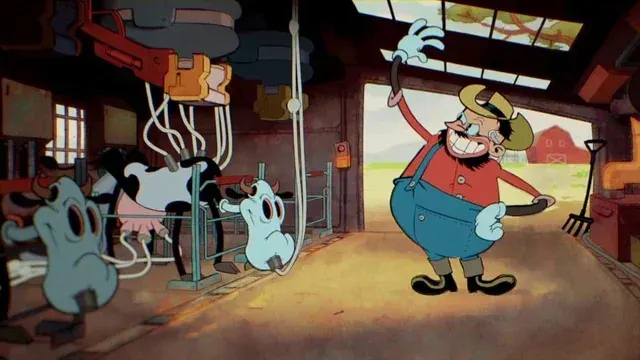
CD Projekt developer Paweł Sasko said Cyberpunk 2077’s side quest “The Hunt” was deliberately designed as a psychological thriller inspired by True Detective. The quest matters because it shows the studio’s approach to using investigation, environmental storytelling and unsettling themes rather than combat to create tension.
Players investigate serial killer Anthony Harris alongside River Ward, following clues to rescue River’s nephew Randy and uncovering Harris’s abuse-driven fixation on “fixing” teenage victims with drugs. Sasko highlighted the quest’s disturbing cartoon, computer files and braindance sequence as restrained narrative devices; he also suggested Cyberpunk’s setting enables varied genres, while Cyberpunk 2 remains early in development and is not expected before 2030.
In short
- “The Hunt” was designed as a cyberpunk True Detective-style thriller.
- Investigation and braindance clues replace action-heavy storytelling.
- Cyberpunk 2 is unlikely to launch before 2030.
Explained simply
Cyberpunk 2077 is a video game from Polish studio CD Projekt where players navigate a dystopian future city. The game contains both a main story and side quests—optional missions that explore different characters and themes. One such side quest, The Hunt, is structured as a serial killer investigation rather than a combat-focused mission.
In The Hunt, players investigate murders committed by Anthony Harris whilst working alongside a character named River Ward. They search for clues to locate River's missing nephew Randy and uncover why Harris has become fixated on kidnapping and abusing teenage victims. The quest uses disturbing artwork, computer files and a special narrative sequence called a braindance to create psychological tension without relying on combat.
The Hunt exemplifies how a game quest can use investigation and storytelling elements to engage players instead of action sequences alone. Games can incorporate different genres and narrative styles within a single world, with quests serving as mysteries, thrillers or action missions depending on the story. This variation shows how developers can create experiences through investigation and environmental detail rather than relying solely on traditional gameplay mechanics.
Art Culture Cybersecurity Entertainment Gaming Software Technology