Politics news and discussion on TalkFuse.
Czech public media workers go on strike over a government plan to overhaul their funding
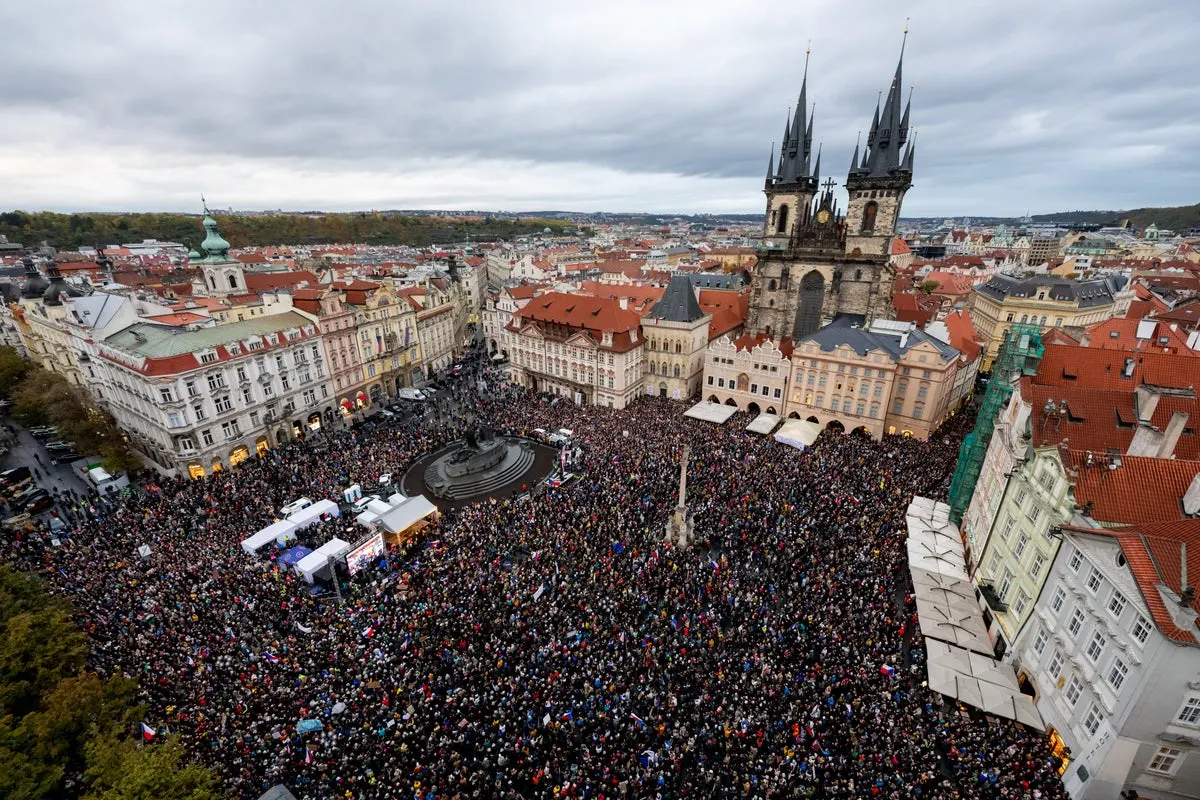
Czech public media workers went on strike for a day to oppose a government plan to move public radio and television funding into the state budget. Critics say the change could weaken editorial independence by giving the governing coalition greater influence over broadcasters.
The proposal would cut funding by about 15% compared with the current system of regular fees paid by individuals, households and businesses, potentially leading to layoffs and fewer programmes. During the strike, television showed archived content and shorter news bulletins, while radio mostly played music; students and other supporters planned rallies, and unions, university leaders, churches, media groups and hundreds of athletes backed the protest.
In short
- Czech public media workers staged a one-day strike.
- A proposed state-budget model would cut funding by about 15%.
- Critics warn the plan could threaten editorial independence.
Steelman: both sides, in good faith
The strongest fair case each way — we don't pick a winner.
The case for
Supporters of the plan could argue that funding public broadcasters through the state budget makes their costs more transparent and subject to ordinary public spending decisions. They may also see a 15% reduction as a reasonable way to ease pressure on taxpayers and require broadcasters to focus resources on their core public-service work.
The case against
Opponents argue that regular fees provide a more predictable source of funding and help insulate public radio and television from pressure by the government of the day. Moving funding into the state budget while cutting it by about 15% could increase political influence and lead to job losses and fewer programmes, weakening the broadcasters’ ability to serve the public.
Explained simply
Czech public radio and television are publicly funded broadcasters that provide news and other programmes across the country. Their current funding comes mainly from regular fees paid by people, households and businesses.
The government wants to replace those fees with money allocated through the state budget, and the proposed system would provide about 15% less funding. The debate centres on how to pay for public broadcasting while protecting its ability to make editorial decisions independently of the government.