World news and discussion on TalkFuse.
Labour urged to prioritise consistent policing over political beliefs
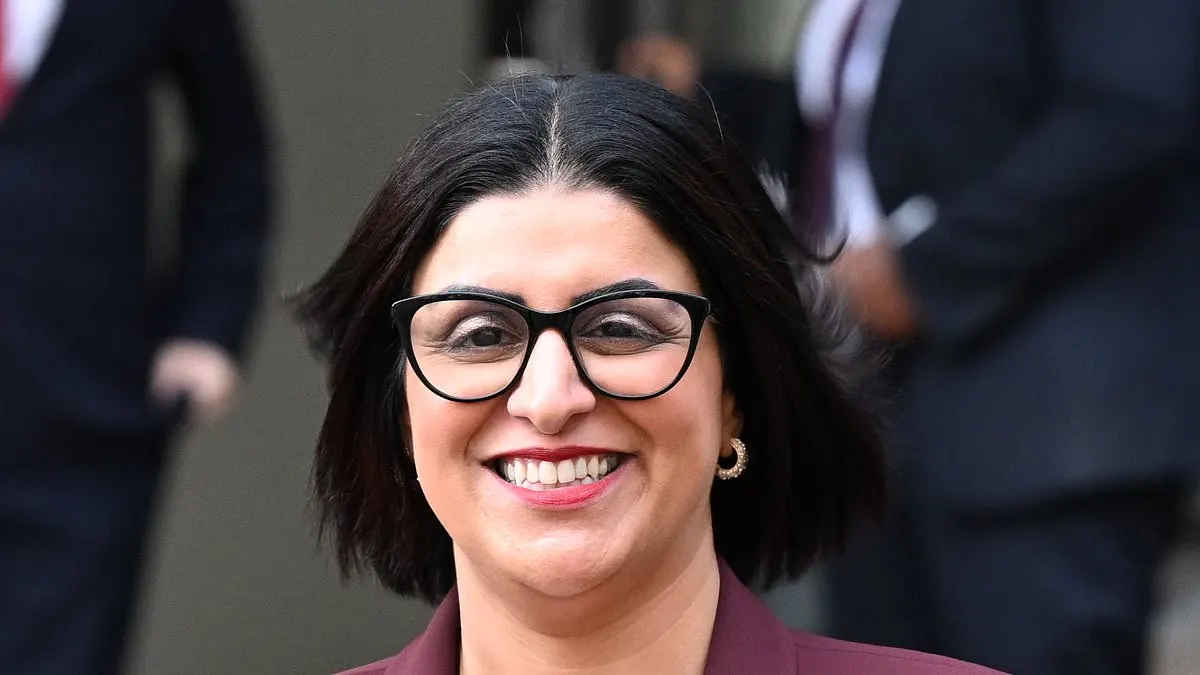
The opinion piece welcomes Labour’s acknowledgement of concerns about unequal policing and Home Secretary Shabana Mahmood’s warning against officers showing differential treatment or becoming politically involved. It argues that police should enforce the law consistently, and says diversity or political beliefs should not displace public safety and basic procedure.
It cites the handcuffing of a dying teenager, cases in which earlier warning signs about killers were reportedly missed, and the handling of antisemitic rhetoric at pro-Palestinian demonstrations, contrasting these with the arrest of writer Graham Linehan over his tweets. The article then shifts to criticise Labour’s economic record and its response to welfare reform, arguing that modest household support will be outweighed by rising bills and that the Prime Minister’s assurances conflict with the review’s author.
In short
- The article welcomes Labour’s warning against political involvement in policing.
- It argues officers should apply the law consistently to everyone.
- It also criticises Labour’s economic and welfare policies.
Steelman: both sides, in good faith
The strongest fair case each way — we don't pick a winner.
The case for
Police should apply the law consistently, regardless of an officer’s personal beliefs or a suspect’s identity, and should keep political activity separate from their public duties. When officers appear to treat comparable cases differently, public confidence can suffer; scrutiny of serious errors and clear, impartial standards can help protect both safety and fairness.
The case against
Consistency is essential, but it should not mean treating unlike situations as if they were the same: context, evidence, risk and legal duties can justify different responses. The examples cited may not establish a common pattern or show that diversity or political beliefs caused particular failures, so reforms should be based on careful evidence and safeguards against using isolated cases to undermine legitimate protest or equal treatment.
Explained simply
Police in England and Wales are expected to apply the law consistently, while respecting people’s rights and following proper procedures. Questions about unequal treatment arise when decisions appear to differ between people or groups, or when officers’ conduct is seen as politically influenced. The Home Secretary, Shabana Mahmood, is responsible for policing policy in the UK Government.
The examples raised in the debate range from police encounters with people in crisis to responses at demonstrations and arrests over social media posts. Each involves different circumstances, and the handling of an individual case does not by itself establish a wider pattern. Assessing such concerns means looking at what officers knew, what powers they used and whether procedures were followed.
The article also links policing to Labour’s economic and welfare policies, which are separate areas of government. Changes to benefits and household support can affect people’s finances, while bills and public services shape the wider economic context. These issues matter to the debate because the piece examines both the Government’s approach to policing and its broader record.
Read the full article at the source →
Originally published by Daily Mail as “DAILY MAIL COMMENT: At last, Labour accepts there’s no place for wokery in our police forces”.