Culture news and discussion on TalkFuse.
DAN HODGES: The two big parties deserved the shock Reform gave them – but the next election will still be between Labour and the Tories
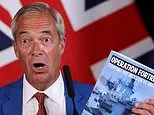
Daily Mail columnist Dan Hodges argues that despite Reform UK's dramatic rise in the polls, the party has squandered its chance to become a credible alternative government, meaning the next general election will still be a straight fight between Labour and the Conservatives. He criticises Reform's newly unveiled "Operation Fortress" plan to tackle small boat crossings, dismissing its 28 pages as unworkable fantasy, including a proposal to return migrants to France or Belgium even without those countries' consent.
Hodges notes that Reform's support peaked last October at 31 per cent, well ahead of Labour on 20 per cent and the Conservatives a further three points behind, but says the party has since faltered on policy substance. He cites Nigel Farage's reversal on the two-child benefit cap, having initially opposed it before admitting he had "lost the argument", as evidence the party lacks serious governing plans. Hodges credits Farage with reshaping British politics and voicing working-class frustration, but concludes that Labour under Andy Burnham and the Conservatives under Kemi Badenoch will remain the real contenders at the ballot box.
In short
- Columnist says Reform has failed to turn poll surges into credible policy
- Reform's Channel crossings plan dismissed as unworkable "fantasy"
- Farage's benefit cap U-turn cited as evidence of policy weakness
Steelman: both sides, in good faith
The strongest fair case each way — we don't pick a winner.
The case for
Reform UK's substantial polling surge—reaching 31 per cent at its peak—reflected genuine public appetite for an alternative to the establishment parties, with real concerns about immigration and working-class issues that Labour and the Conservatives had failed adequately to address. Emerging political movements typically require time to develop comprehensive policy frameworks, and Reform's demonstrated influence on the political conversation suggests it remains premature to dismiss the party's prospects, particularly given that the major parties have proven they must respond to the challenge it poses.
The case against
When subjected to actual policy scrutiny, Reform's flagship proposals have proven insubstantial and unworkable, as evidenced by the migration plan that Hodges critiques in detail. More fundamentally, the party's leadership has shown a concerning lack of conviction and depth—exemplified by Farage abandoning his opposition to the two-child benefit cap—suggesting that Reform operates as a protest movement rather than a serious governing alternative with the considered thought required to manage a complex modern state.
Explained simply
Reform UK is a right-wing party led by Nigel Farage. Its rise in opinion polls has put pressure on Labour and the Conservatives, the two parties that have dominated UK general elections for decades.
The article focuses on Reform’s proposals for stopping people crossing the Channel in small boats, and on a debate over the two-child limit on some benefits. These issues involve immigration, public spending and how parties would turn campaign promises into government policy.
Labour and the Conservatives are led by Andy Burnham and Kemi Badenoch in the scenario described. The article considers whether Reform could become a serious contender at the next general election, when voters choose MPs and the party able to command a majority in the House of Commons forms the government.
Art Culture Elections Government Politics World