Dan Le Batard claims ESPN is run by McAfee and ‘White people’ after layoffs, slanders OutKick in unhinged rant
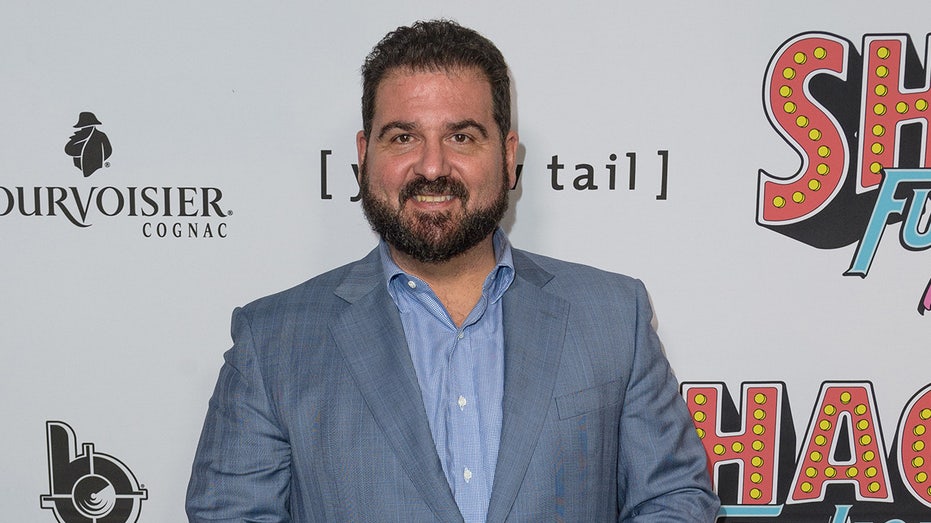
Dan Le Batard criticised ESPN following recent layoffs, including the reported departure of analyst Ryan Clark, and argued that the network’s direction is being shaped by personalities such as Pat McAfee and by white executives. He also attacked OutKick during his programme after the outlet reported the Ryan Clark news, escalating an existing dispute between sports-media figures.
The article presents Le Batard’s remarks as a politically and racially charged response to ESPN’s staffing decisions. It notes that OutKick reported on Monday that ESPN was expected to part ways with Clark, but the supplied text does not include ESPN’s response, the full circumstances of the layoffs, or verification of Le Batard’s broader claims.
- Le Batard criticised ESPN’s direction after reported layoffs.
- He linked the network’s leadership to race and Pat McAfee.
- OutKick’s Ryan Clark report prompted a public dispute.
Both sides, in good faith
The strongest fair case each way — we don't pick a winner.
The case for
Supporters of Le Batard’s intervention may argue that major media companies should be challenged when layoffs appear to fall on prominent, diverse voices while programming and influence are concentrated among a narrower set of executives and stars. From this view, his blunt language reflects frustration with structural questions about representation, editorial direction and who holds power at ESPN, which deserve public scrutiny even if the available reporting does not establish his claims conclusively.
The case against
Critics may argue that attributing ESPN’s staffing decisions to race or particular personalities without fuller evidence risks unfairly impugning individuals and obscuring the financial or strategic reasons behind layoffs. They may also contend that attacking another outlet for reporting a personnel move is inappropriate, particularly where ESPN has not publicly confirmed all the circumstances, and that responsible criticism should distinguish verified facts from speculation.