World news and discussion on TalkFuse.
Dangerous mosquito-borne virus surges in popular US state as cases reach highest levels in decades
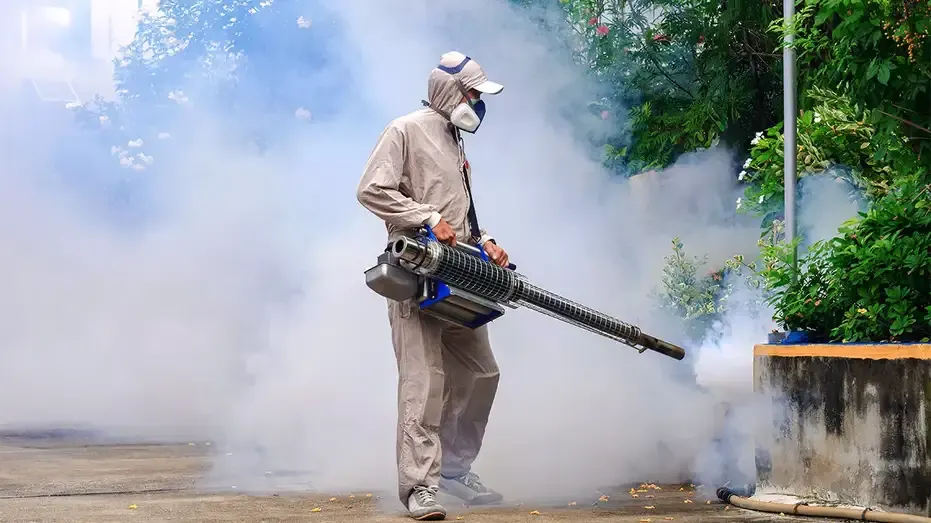
Florida has confirmed 485 locally acquired dengue cases this year, its largest outbreak in decades, with 60 new infections recorded in the week to 24 October. The concentration of cases in Tampa Bay has led three counties to declare emergencies, enabling quicker mosquito control measures and requests for reimbursement.
About 95% of the locally acquired cases are in the Tampa Bay area, and more than 300 additional cases were linked to travel. Dengue is spread by Aedes mosquitoes, which bite during the day and can breed in small amounts of standing water; officials are spraying and urging residents to remove or cover water-holding containers. Most infections are mild or symptom-free, but severe dengue can develop quickly and requires urgent medical care.
In short
- Florida has recorded 485 locally acquired dengue cases this year.
- Around 95% of cases are in the Tampa Bay area.
- Officials are spraying and urging residents to remove standing water.
Explained simply
Dengue is a virus spread to people by infected Aedes mosquitoes. Unlike many mosquitoes, these can bite during the day and breed in small collections of standing water, such as water left in containers.
Most people with dengue have mild symptoms or none, but some become seriously ill and need urgent medical care. Local mosquito control teams and residents can help limit spread by reducing places where mosquitoes breed.
Cases acquired locally mean people were infected where they live, rather than while travelling abroad. Florida’s outbreak is concentrated around Tampa Bay, where county officials can use emergency measures to speed up mosquito control and seek reimbursement for related costs.
Americas Health Medicine World