World news and discussion on TalkFuse.
Danish PM slams claims she is ‘far-right’ after vowing to defend European values and culture amid row over migrant ghettos
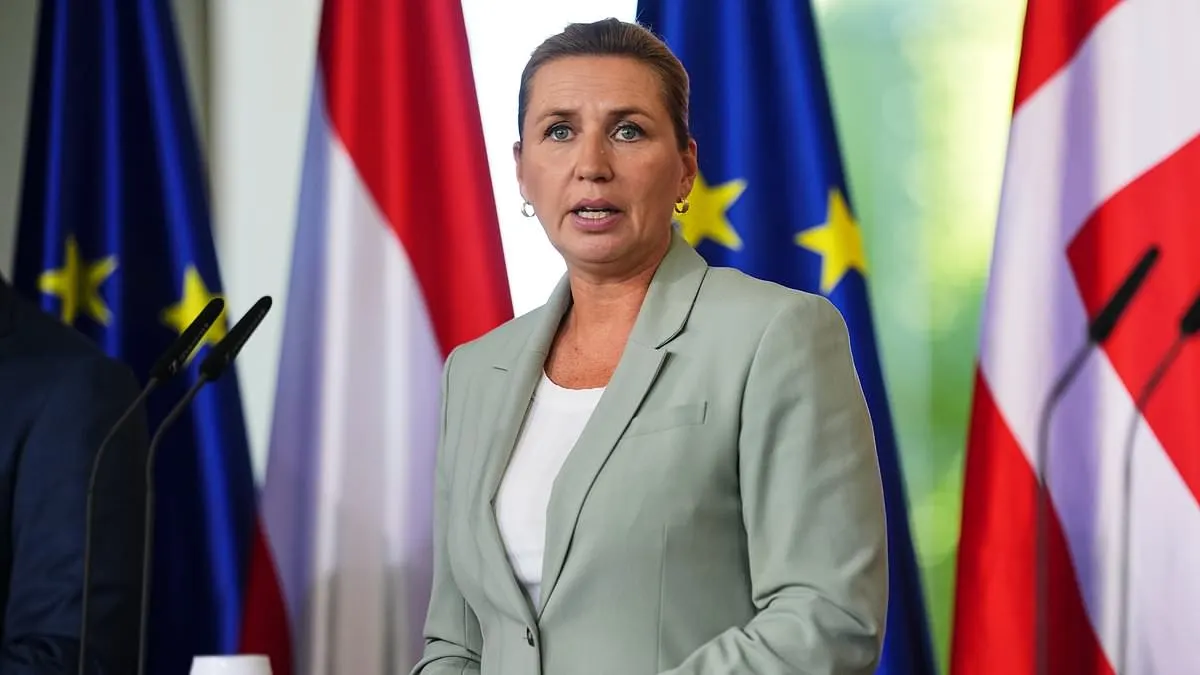
Danish Prime Minister Mette Frederiksen rejected being associated with far-right groups after saying she wanted to defend Danish and European values and culture. Her use of the phrase “great replacement” drew criticism because of its links to extremist ideology, although she said she did not support that theory.
The remarks came amid a long-running Danish debate over immigration and a Supreme Court ruling that a landlord had not discriminated by evicting tenants under a housing law. The law requires estates where more than half of residents are classed as “non-Western” to change their social mix by 2030. Seven families in Helsingør, whose leases ended in 2022, had challenged the policy.
In short
- Frederiksen rejected comparisons with far-right groups.
- Her “great replacement” wording prompted criticism.
- Denmark’s Supreme Court upheld a housing policy affecting seven families.
Steelman: both sides, in good faith
The strongest fair case each way — we don't pick a winner.
The case for
Supporters of the policy argue that concentrated disadvantage and social segregation can undermine opportunity and cohesion, and that governments may use housing rules to encourage a more mixed population. They can also contend that defending shared civic values is legitimate, while stressing that Frederiksen rejected the extremist theory associated with the phrase she used.
The case against
Critics argue that defining neighbourhoods by residents’ non-Western background risks treating people differently because of their origin and can make minority families bear the costs of integration policy. They may also say that invoking “great replacement”, despite Frederiksen’s disavowal of the theory, lends legitimacy to language associated with extremist ideas and weakens trust among affected communities.
Explained simply
Denmark has debated immigration and integration policies for many years. One such policy targets housing estates where more than half the residents are classed by the law as “non-Western”, requiring changes to the population mix by 2030.
The policy has faced legal challenges from residents who say it treats people unfairly because of their background. The dispute involves the government, landlords and tenants, and raises questions about how Denmark can pursue integration while meeting its obligations against discrimination.
Mette Frederiksen is Denmark’s prime minister and leads the Social Democrats. Her comments about defending Danish and European culture have drawn attention because the phrase “great replacement” is associated with extremist claims about demographic change, though she has said she does not support that theory.
Europe Government Politics World