World news and discussion on TalkFuse.
Daphne Caruana Galizia was murdered for investigating Malta’s powerful. Her sons picked up the fight for justice.
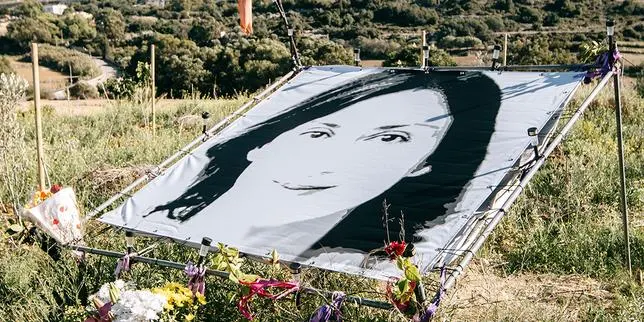
Daphne Caruana Galizia’s three sons have continued to seek justice since the Maltese investigative journalist was murdered in 2017 after reporting on corruption and powerful figures. Their efforts have brought renewed attention to the case, especially after businessman Yorgen Fenech, accused of involvement in the murder, was acquitted in September 2026.
Two men convicted of planting the bomb received 40-year sentences in 2022, and two explosives suppliers were sentenced to life in prison in 2025. Fenech’s 55-day trial ended in an eight-to-one jury vote for acquittal; after the brothers highlighted jurors’ past online comments and a WhatsApp group, police questioned three jurors and Malta’s attorney general appealed the verdict. Three judges are due to decide whether it stands or a new trial is ordered.
In short
- Daphne Caruana Galizia’s sons continue their campaign for justice.
- Yorgen Fenech was acquitted after a 55-day trial.
- Malta’s attorney general has appealed the verdict.
Steelman: both sides, in good faith
The strongest fair case each way — we don't pick a winner.
The case for
The sons’ scrutiny of the acquittal can be seen as a legitimate effort to secure accountability in a murder case tied to reporting on powerful figures. Their concerns about jurors’ past comments and communications merit investigation, and an appeal offers a lawful way for judges to assess whether the trial was fair and the verdict should stand.
The case against
An acquittal reached by an eight-to-one jury after a lengthy trial deserves respect unless a court finds a sound legal basis to overturn it. Re-examining jurors’ past online comments and private messages may raise concerns about their privacy and the independence of the jury process, so any challenge should rely on evidence of actual misconduct rather than pressure generated by public attention.