Business news and discussion on TalkFuse.
Darline Graham details how she’d forge own path in Senate while carrying on brother Lindsey’s legacy
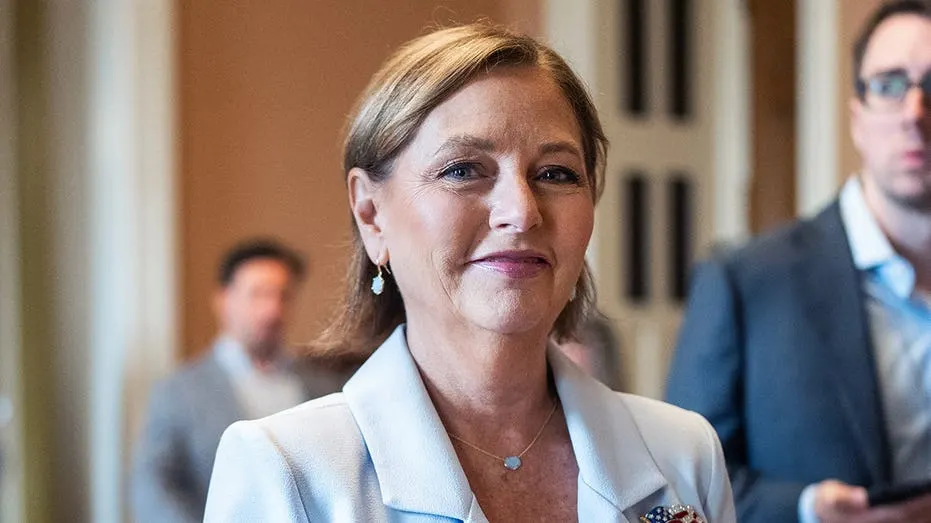
Darline Graham, sister of the late South Carolina senator Lindsey Graham, has set out her approach to a special election campaign for his former US Senate seat, saying she intends to establish her own political identity while honouring his legacy. Her comments come as South Carolina prepares for a special election following her brother's death, with attention also turning to the renaming of Joint Base Charleston in his honour after his three decades of service.
In an interview, Graham said her campaign would focus on economic concerns such as inflation and rising grocery prices, positioning relief for families as a central plank of her platform. She acknowledged her brother's influence and legacy in South Carolina politics but emphasised that she would chart her own course rather than simply seeking to continue his tenure unchanged.
In short
- Darline Graham seeks late brother Lindsey's Senate seat in South Carolina.
- She vows to forge her own political path, not just continue his legacy.
- Campaign centres on inflation, grocery prices and economic relief.
Explained simply
Lindsey Graham was a long-serving Republican US senator from South Carolina, a state in the south-east of the United States. The Senate is one of the two chambers of Congress, which makes federal laws and oversees the government.
When a Senate seat becomes vacant before its term ends, a special election is held to choose someone to fill it. Darline Graham is Lindsey Graham’s sister, and her campaign connects a family name familiar to South Carolina voters with questions about what a new senator should prioritise.
Inflation means the general rise in prices, including the cost of food and other household essentials. It matters to voters because it affects how far family incomes go, while the choice of a senator can influence national decisions on the economy and other issues.
Business Elections Government Markets Politics World