Politics news and discussion on TalkFuse.
Data Centers Have Brutal Election Night
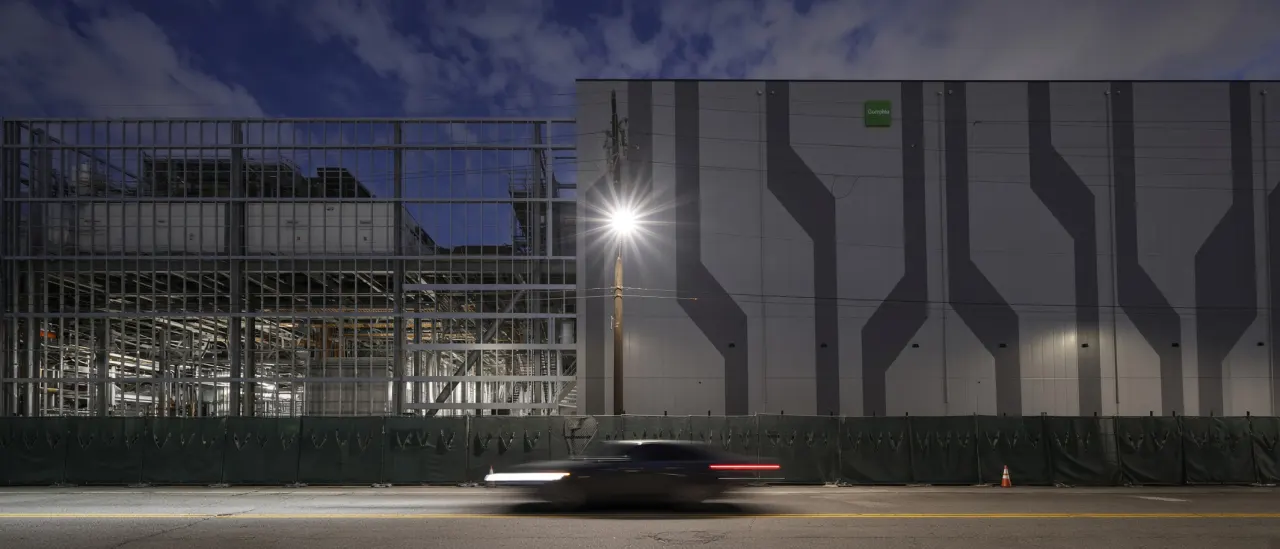
Voters in nearly 40 US localities approved bans or tighter rules on data centres during the midterm elections, reflecting growing opposition to AI infrastructure being built near homes. The results may also have affected candidate races, as residents pushed for a greater say in projects and raised concerns about electricity costs and the impact on communities.
In Ohio, Hubbard voters approved a construction ban by more than three to one, while Pataskala backed a ban on large data centres by 73% to 26%. Sherrod Brown defeated Jon Husted by 4.8% after criticising his support for the industry; in Wisconsin, more than 60% of Janesville voters backed requiring voter approval for a proposed conversion of an abandoned General Motors site. A Pew Research Centre survey found roughly half of Americans believe data-centre construction would increase housing costs.
In short
- Nearly 40 localities approved data-centre restrictions.
- Ohio voters backed bans by wide margins.
- Concerns include costs and local control.
Steelman: both sides, in good faith
The strongest fair case each way — we don't pick a winner.
The case for
Local residents have a strong case for tighter rules or bans when large data centres could raise electricity costs, affect housing and reshape communities. Requiring public consultation or voter approval gives people a meaningful say over projects whose local burdens may be lasting, especially when the benefits are uncertain or widely distributed.
The case against
Data centres support computing services and AI development, and restricting them can deter investment, limit infrastructure capacity and shift projects to other communities. A blanket ban or repeated voter approval requirements may delay useful projects even where impacts could be managed through planning conditions, while also forgoing jobs and local tax revenue.