World news and discussion on TalkFuse.
Data centers were some of the biggest losers in last night’s US midterm elections
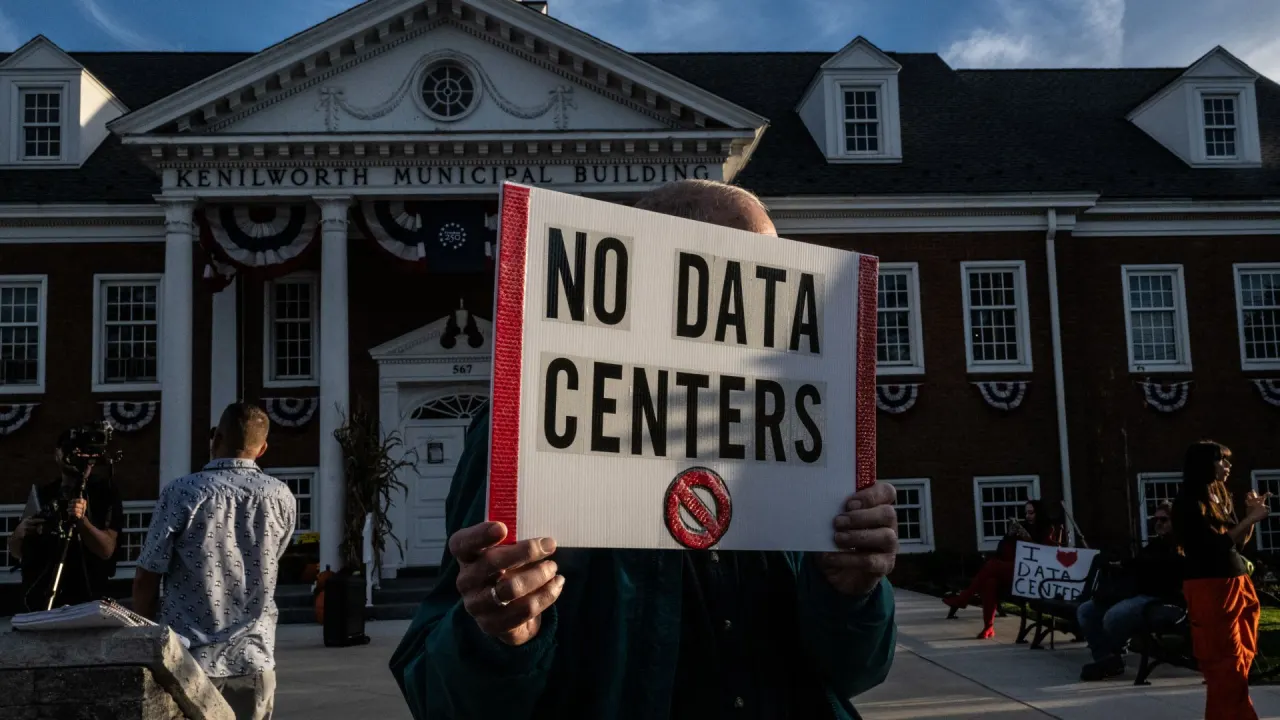
In the US midterm elections, voters overwhelmingly backed local measures to restrict, slow or review data centre construction. The results suggest that opposition to data centre expansion has become a significant local political issue, driven by concerns about its effects on communities.
Across 47 local contests tracked by Data Centers on the Ballot, restrictions had won in 38 of the 39 completed counts. In six of the eight races still open, measures were leading with partial results; the other two had no results posted. Harwood, North Dakota, was the only completed vote to reject a proposed independent review requirement. NBC exit polls found 56% of voters considered AI data centres crucial or a major factor in their congressional choice, amid concerns including environmental impact, energy costs and noise.
In short
- Voters backed data centre restrictions in 38 of 39 completed local counts.
- Six pending measures were leading with partial results.
- Environmental impact, energy costs and noise were key concerns.
Steelman: both sides, in good faith
The strongest fair case each way — we don't pick a winner.
The case for
Local restrictions and review requirements can give residents a meaningful say over projects that may affect electricity bills, water use, noise and the character of their communities. The strong results suggest many voters want decision-makers to assess those costs before approving rapid expansion, especially when the benefits are uncertain or may accrue mainly to data-centre operators and their customers.
The case against
Data centres can support jobs, local tax revenue and the computing infrastructure used by businesses and public services, including emerging AI tools. Broad restrictions or lengthy reviews could deter investment and delay projects that communities might otherwise benefit from; a case-by-case approach may better balance those gains against environmental and neighbourhood impacts.