US data centre growth faces bipartisan opposition over power and water use
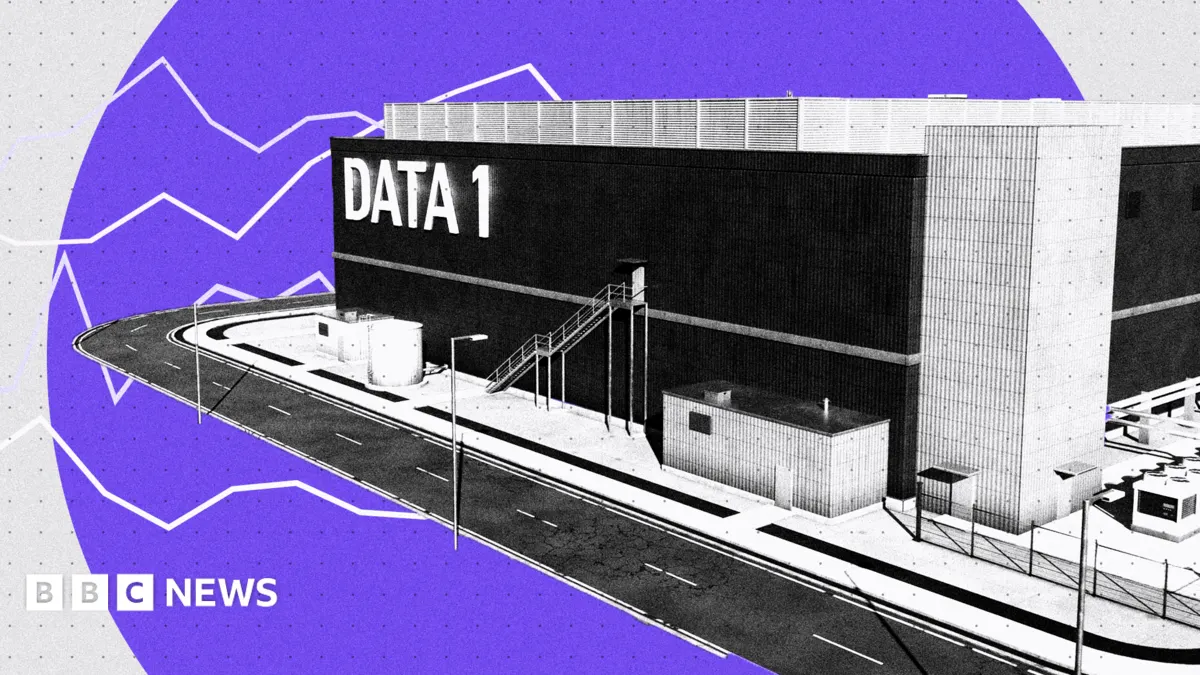
Data centres have become a political flashpoint in the US ahead of the 3 November midterm elections, as rapid expansion brings concerns about electricity use, environmental effects and pressure on local resources. Opposition is growing across political parties, putting critics at odds with President Donald Trump, who has called the pushback a “sick conspiracy”.
There are about 12,250 data centres worldwide, up from roughly 8,000 operational sites in 2021, and the US has the largest number at 4,767. Their electricity demand is thought to exceed France’s total consumption, while water use, noise, land take and potential effects on energy prices are also concerns. Sixteen US states have proposed measures to ban or pause new facilities; supporters argue the centres are important for AI, national security and economic growth.
In short
- Data centre expansion is becoming a US election issue.
- The US has 4,767 of about 12,250 global sites.
- Critics cite power, water and environmental pressures; supporters cite AI and jobs.
Steelman: both sides, in good faith
The strongest fair case each way — we don't pick a winner.
The case for
Data centres provide the computing capacity needed for AI and other digital services, and supporters argue that expanding this infrastructure can strengthen US economic competitiveness and national security. New facilities may also bring investment and jobs, while careful planning and efficiency measures could help manage pressure on power, water and nearby communities.
The case against
Rapid data centre growth can place substantial demands on electricity and water, with possible effects on energy bills, local resources, noise and land use. Critics argue that pauses or tighter rules would give communities time to assess those costs and ensure that expansion does not outpace infrastructure or environmental safeguards.
Explained simply
Data centres house the computer servers that store information and run online services, including artificial intelligence. The United States has more of them than any other country, and new facilities can require large amounts of electricity and water.
Local residents and officials have raised concerns about pressure on power supplies, higher energy costs, noise and land use. Some states are considering limits on new centres, while supporters say they can bring investment and jobs and help the US compete in technology and protect national security.
The debate involves local communities, state governments, technology companies and the federal government. It matters because decisions about where and how quickly data centres are built could affect local resources and the country’s digital infrastructure.
Americas Art Culture Elections Environment Politics Science Technology World
Read the full article at the source →
Originally published by BBC Technology as “Data centre debate heats up ahead of US midterms – here’s what you need to know”.