World news and discussion on TalkFuse.
US voters back data centre restrictions in most local ballots
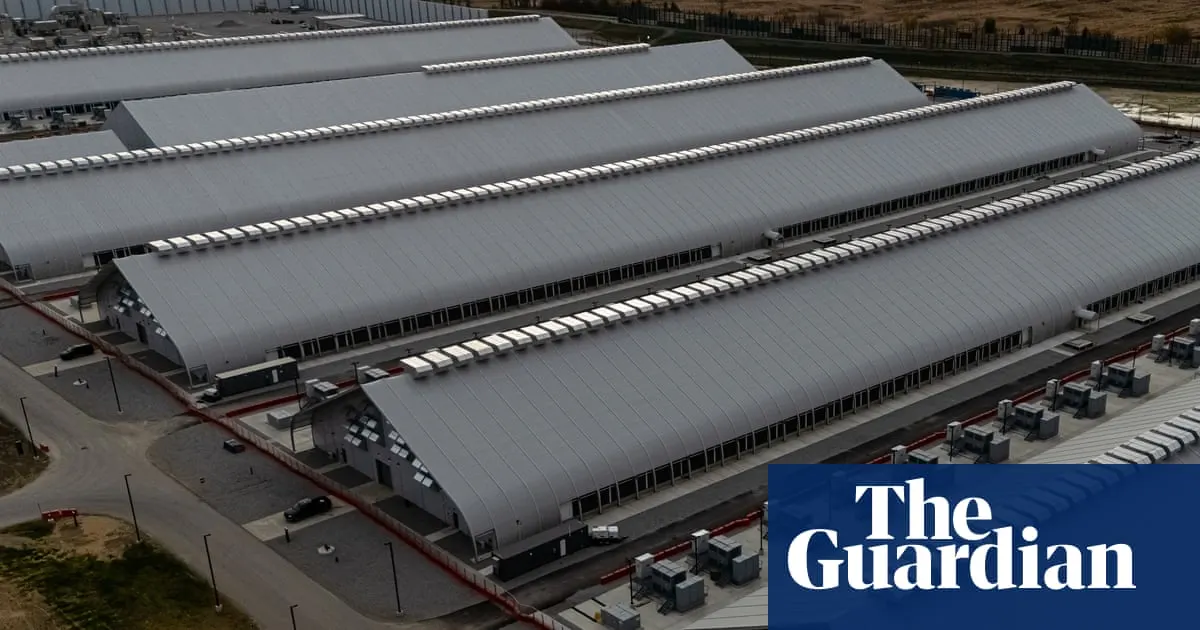
Voters in several US states approved restrictions or temporary moratoriums on data centre construction in Tuesday’s elections, signalling strong local opposition to the facilities and the resources they use. The results may slow the industry’s expansion and add pressure on politicians and technology companies as demand for computing capacity grows.
Data centres were addressed in ballots across at least 40 jurisdictions in 10 states. In Ohio, at least 14 municipalities passed bans or restrictions, while eight municipalities in Maine approved temporary moratoriums; voters in Emporia, Kansas, also backed a ban on high-impact centres. Nearly every ballot measure passed, with Hardwood, North Dakota, a notable exception. Newly elected governors in Texas, Georgia and Ohio have also pledged restrictions or moratoriums, and an analyst said Texas is especially significant because it is expected to account for 25% to 30% of data centre capacity.
In short
- Local voters backed data centre limits across several states.
- Ohio recorded at least 14 municipal restrictions.
- Texas may provide 25% to 30% of planned capacity.
Steelman: both sides, in good faith
The strongest fair case each way — we don't pick a winner.
The case for
Supporters of restrictions argue that local communities should have a say when large data centres may increase demand for electricity and water, strain infrastructure or affect nearby residents. Temporary moratoriums and limits can give officials time to assess those costs, set safeguards and ensure that expected jobs and tax revenues justify the impact.
The case against
Opponents argue that broad bans or prolonged moratoriums could block investment, jobs and tax revenue while making it harder to build the computing capacity businesses and public services increasingly rely on. They favour addressing power, water and neighbourhood concerns through planning rules and infrastructure investment, rather than restrictions that could push projects and their benefits elsewhere.
Explained simply
Data centres are buildings that hold the computer servers and equipment used to store data and run online services, including cloud computing and artificial intelligence. They need large amounts of electricity and water for power and cooling, and can affect nearby land and infrastructure.
Technology companies and data centre developers build and operate these facilities, while local councils and voters can shape where and how they are built. The facilities support services used by businesses and the public, but their resource needs and local effects have prompted debate in communities.
The issue also matters to state governments, which set broader rules for development and energy use. Texas is expected to host a substantial share of US data centre capacity, so policy there could affect how quickly the industry expands.
Americas Elections Politics World
Read the full article at the source →
Originally published by The Guardian as “Datacenters were on the ballot. US voters rejected them”.