Business news and discussion on TalkFuse.
Swedish datacentre pairs timber construction with low-carbon power
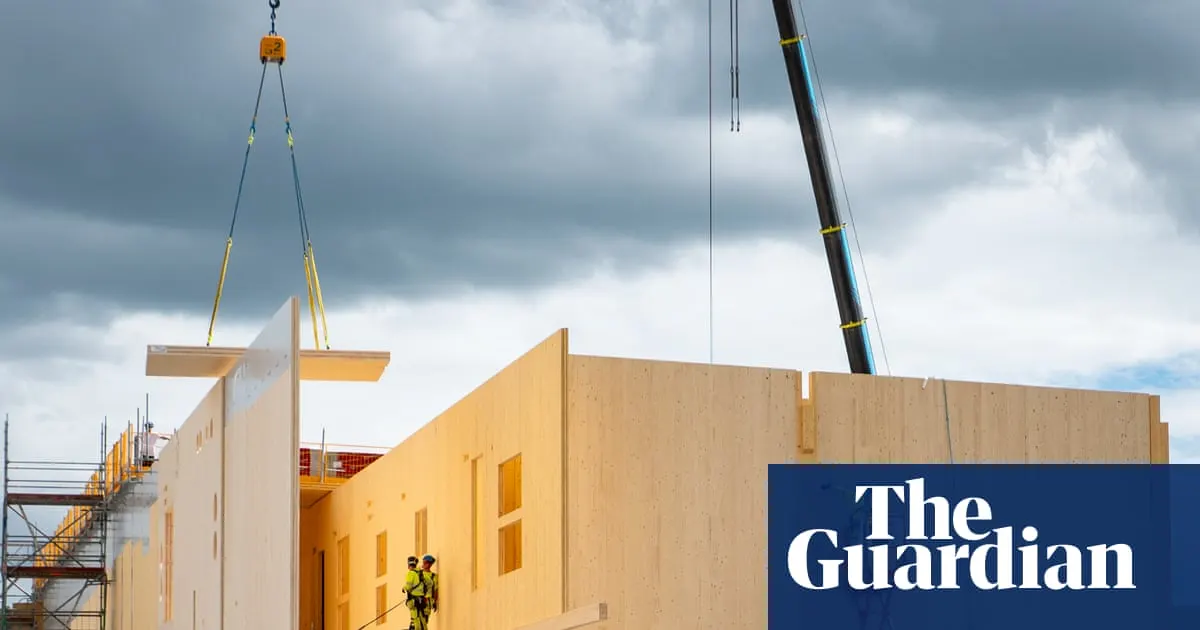
EcoDataCenter’s facility in Falun, Sweden, is presented as a model for making datacentres less harmful and more acceptable to nearby communities. Its timber construction and renewable electricity distinguish it from facilities associated with high emissions and rapid development with little local input.
The 80MW site uses electricity from hydro and wind, and its operators say the timber structure has about a third of the embodied carbon of a comparable steel-and-concrete building. Its carbon usage effectiveness is 1.17gCO₂/kWh, compared with 263g for the EU average, while its power usage effectiveness is 1.15 against an EU average of 1.36. Sweden’s cold climate, reliable low-carbon power and local conditions also help make the facility more efficient.
In short
- Falun’s 80MW datacentre runs on renewable electricity.
- Its reported carbon intensity is far below the EU average.
- Timber construction and local conditions shape its sustainability case.
Steelman: both sides, in good faith
The strongest fair case each way — we don't pick a winner.
The case for
Datacentres support services people and businesses increasingly rely on, and this facility shows how their environmental impact can be reduced through timber construction, renewable electricity and efficient cooling. Its low reported carbon and power usage figures suggest that careful design, clean energy and suitable local conditions can make new computing capacity more compatible with climate goals and community interests.
The case against
Even a comparatively efficient datacentre uses substantial electricity and materials, and its reported figures depend partly on Sweden’s unusually favourable climate and low-carbon power supply, which may not be available elsewhere. The project could therefore be seen as making growth in energy-intensive computing more acceptable without resolving wider concerns about rising demand, local impacts or whether the services justify the resources used.
Explained simply
Datacentres house the computer servers that store data and run online services. They need large amounts of electricity to power and cool the equipment, so their design and energy supply affect their environmental impact and demands on local infrastructure.
EcoDataCenter operates a facility in Falun, in central Sweden. It is part of a wider debate about how to build datacentres while limiting emissions and taking account of the communities around them.
Sweden’s cool climate and access to hydro and wind power can help reduce the energy and carbon linked to running such a site. The building materials matter too, because construction itself produces emissions; timber is being used here as an alternative to steel and concrete.
Business Climate Science Technology
Read the full article at the source →
Originally published by The Guardian as “Datacentres are deeply unpopular. Has Sweden made one we can all love?”.