News, events and chat from Sheffield and South Yorkshire.
Date Perseid meteor shower will reach its peak this week – and the best time frame to look for the Perseids
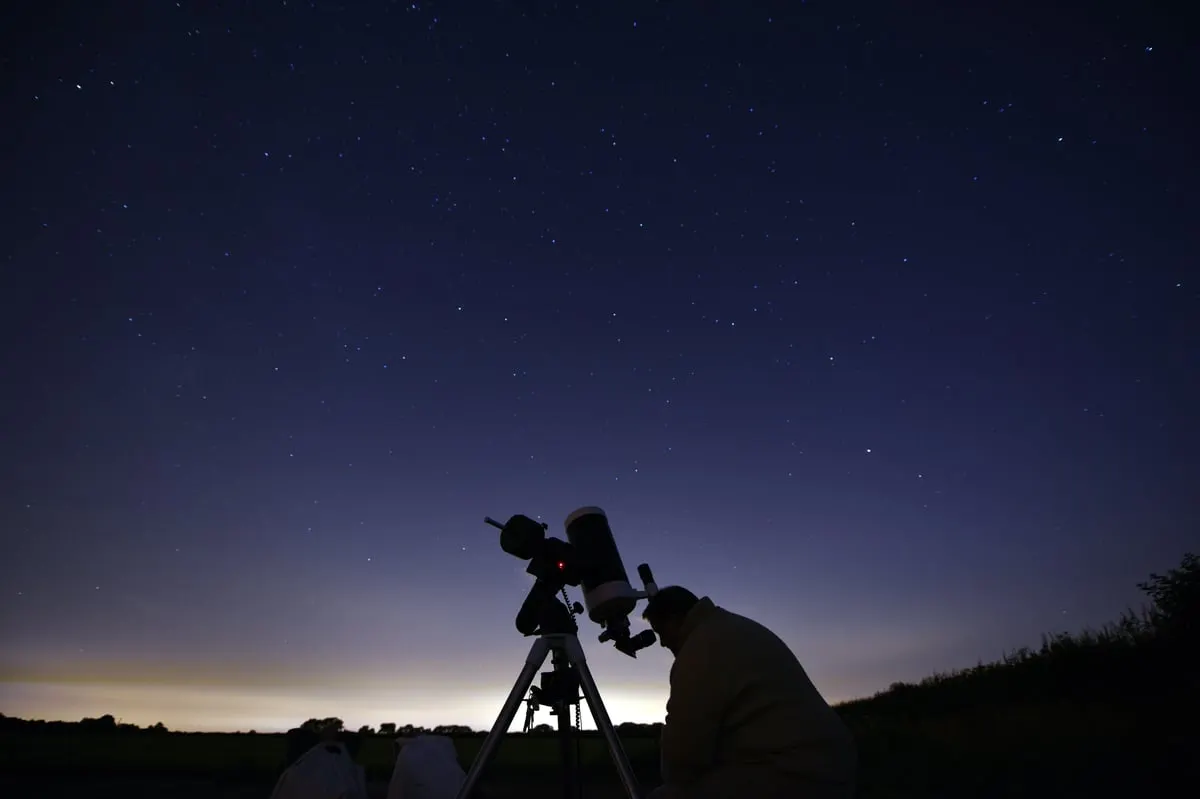
The Perseid meteor shower is an annual celestial phenomenon caused by debris from comets entering Earth's atmosphere at speeds up to 45 miles per second. The display reaches its peak during the early morning hours of August 12 and 13, with observers positioned in suitable locations potentially witnessing up to 100 meteors hourly as the material ionises across the sky.
For optimal viewing, observers should relocate to areas away from street lights and urban centres to reduce light pollution, allowing approximately 15 minutes for eye adaptation to darkness. This year the peak coincides with a new Moon phase, which eliminates natural lunar interference and creates particularly favourable conditions. Viewing is best undertaken between midnight and 5:30 AM, with the meteors appearing to radiate from the constellation Perseus across any part of the visible sky.
In short
- Perseid meteor shower peaks August 12-13, 2026, potentially visible up to 100 meteors per hour
- Best viewing window is midnight to 5:30 AM in areas with minimal light pollution
- New Moon phase this year eliminates lunar interference, creating optimal observation conditions
Explained simply
The Perseids are an annual meteor shower that occurs when Earth passes through debris left by a comet. Small pieces of that debris enter the atmosphere at high speed, heat up and produce streaks of light commonly called shooting stars.
The shower is named after Perseus, the constellation from which the meteors appear to spread across the sky. They can be seen in other parts of the sky too, and the number visible depends on conditions such as cloud cover and nearby lights.
For the clearest view, people generally look for a dark spot away from towns and street lights and give their eyes time to adjust. The Moon’s brightness can also affect how many meteors are easy to see.