Date set for first Budget of Andy Burnham’s government after recent spate of policy announcements
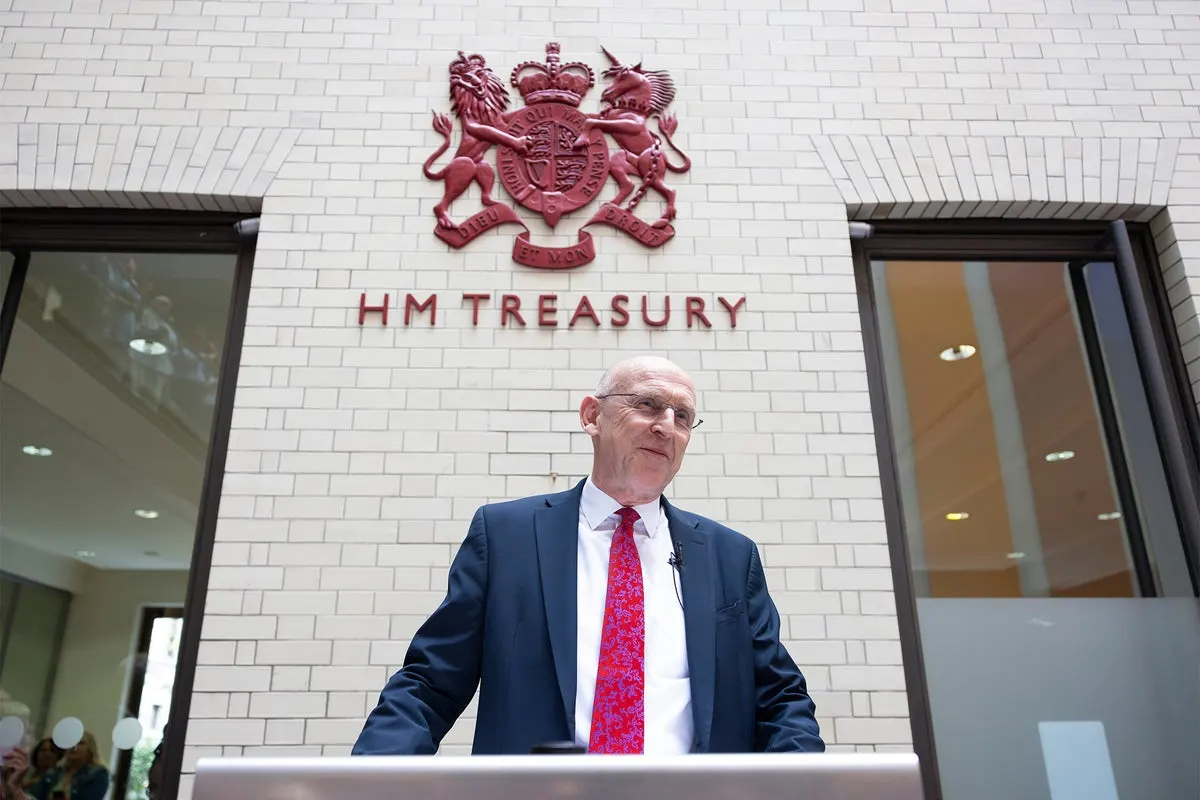
Chancellor John Healey will deliver the new government’s first Budget on 28 October, promising fiscal discipline while shifting “money and power out of Westminster”. The Budget will be a key test of whether Andy Burnham’s government can fund its early policy commitments and devolution agenda without undermining its borrowing rules or economic stability.
Potential costs include lower VAT on energy bills, reduced business rates for pubs, expanded technical education and £5 billion in defence spending announced in May. Economists warn that the Iran conflict could sustain inflation and high interest rates, leaving little scope for additional borrowing; suggested options include tax rises or cuts to welfare and pensions, despite Labour’s previous tax pledges and a £22 billion fiscal buffer left by Rachel Reeves.
In short
- John Healey’s first Budget is scheduled for 28 October.
- New policies and defence spending will strain public finances.
- Inflation pressures may force tax rises or spending cuts.
Steelman: both sides, in good faith
The strongest fair case each way — we don't pick a winner.
The case for
Supporters could argue that the Budget should fund commitments on energy bills, pubs, technical education and defence while devolving more power, because these measures may ease household and business pressures, build skills and strengthen national resilience. They would say disciplined choices, including reprioritising spending or carefully targeted revenue measures, can support those aims without abandoning fiscal rules.
The case against
Critics could argue that adding costly commitments when inflation and interest rates remain high risks squeezing the fiscal buffer, increasing borrowing or forcing abrupt tax rises and spending cuts. They may favour restraint until the economic outlook is clearer, warning that changes to taxes or welfare and pensions could break pledges, weaken confidence or place extra pressure on households and public services.
Explained simply
A Budget sets out the government’s plans for taxes and public spending, and how it expects to pay for them. The chancellor is responsible for presenting it to Parliament, while the prime minister’s government sets its broader priorities.
Andy Burnham’s government has announced plans affecting energy bills, pubs, technical education and defence, alongside a promise to give more powers and funding to local areas. These commitments would need to be weighed against the government’s rules for borrowing and its aim of maintaining economic stability.
Inflation and interest rates affect how much households, businesses and the government pay. If prices and borrowing costs remain high, the government may have less room to fund new plans, making its choices on taxes and spending significant for public services and the wider economy.