World news and discussion on TalkFuse.
David Ellison Dines With Trump & Xi As CEO’s Soon-To-Be Owned CNN Banned From White House, Again
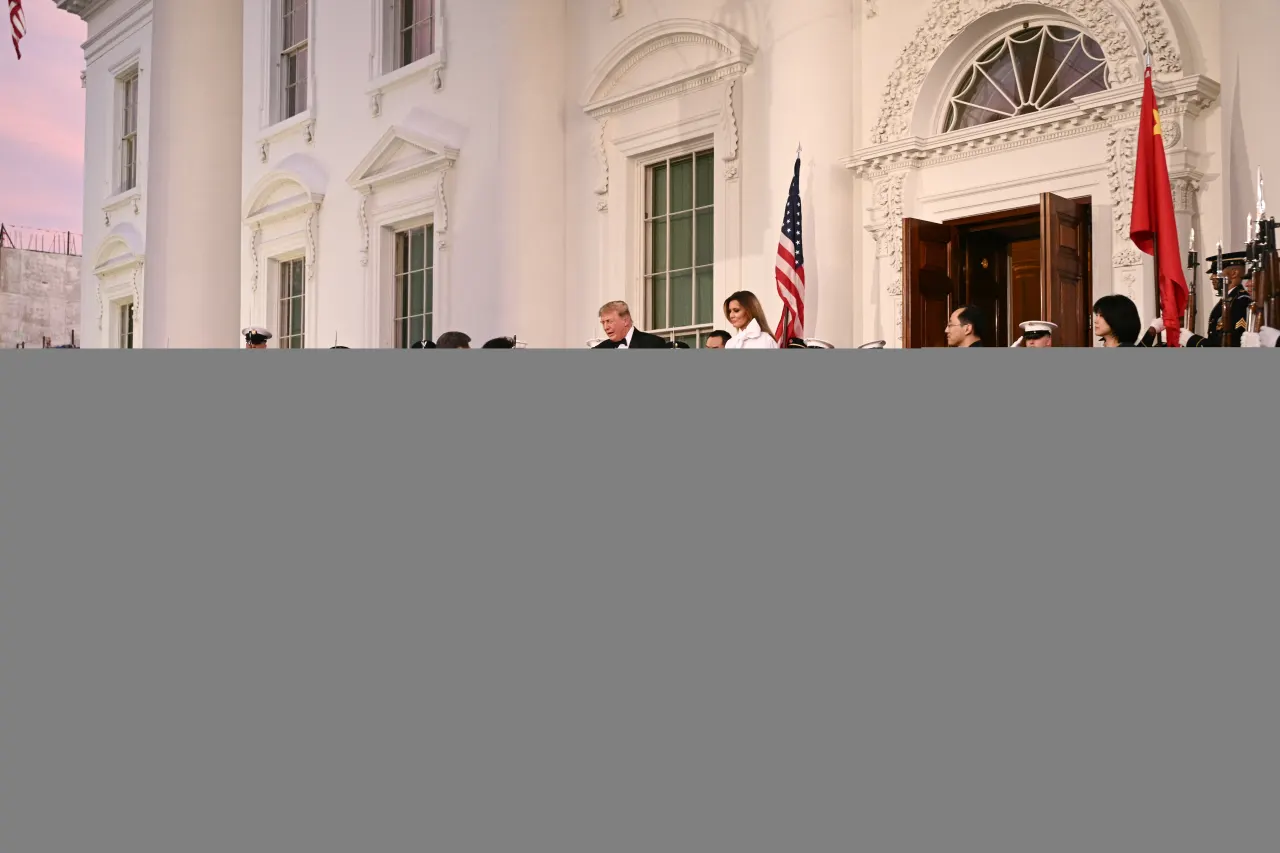
CNN's reporters have been excluded from attending a White House state dinner for Chinese President Xi Jinping, but the news outlet's future owner, David Ellison, will be dining with Trump, Xi and major technology executives. Ellison is seeking federal approval for a $111 billion merger of Paramount with Warner Bros Discovery, and his attendance at the high-profile event underscores his growing proximity to the Trump administration. This proximity has become controversial amongst critics of the proposed merger, given concerns about potential influence over major news outlets including CNN and CBS News that would fall under the combined company's control.
The state dinner guest list includes prominent technology leaders such as Elon Musk, Mark Zuckerberg, Sam Altman, Jensen Huang and Satya Nadella, alongside traditional industry titans like JPMorgan CEO Jamie Dimon, Boeing CEO Kelly Ortberg, Tim Cook and Jeff Bezos. CNN, along with MSNBC and Politico, had previously been banned from the White House by Trump; whilst a federal judge ordered their re-credentialing, CNN was excluded once again from this particular event. The dinner also includes Chinese officials, White House staff, Cabinet members, congressional Republican leaders and several Supreme Court justices, whilst Fox News personalities attend with their spouses.
In short
- CNN banned from state dinner; its future owner attends instead
- Ellison's Trump ties raise concerns over news outlet control
- Event features hundreds of tech and industry leaders
Steelman: both sides, in good faith
The strongest fair case each way — we don't pick a winner.
The case for
Those concerned by this arrangement argue that it creates a troubling pattern where CNN is excluded from coverage whilst its future owner gains direct access to the president during a period when his $111 billion merger requires federal approval. They contend that the appearance of quid pro quo—regulatory favour in exchange for proximity—is unavoidable, and that questions about editorial independence and institutional capture are entirely warranted when a major news outlet's owner cultivates such direct access to political power.
The case against
Those who see no impropriety argue that social attendance and media credentialling represent separate, standard decisions serving different purposes in routine government practice. They maintain that Ellison's presence as a business executive reflects his role in technology rather than any arrangement affecting CNN's journalism, and note that many CEOs maintain relationships with sitting presidents without this compromising their companies' independence or integrity.
Explained simply
Paramount and Warner Bros Discovery are two large media companies, with Warner Bros Discovery owning CNN and CBS News. David Ellison is seeking government approval to combine them in a proposed $111 billion merger, which would put both news outlets under the new company’s control.
The White House decides which journalists attend official events, and CNN has previously been barred from some White House access under Donald Trump. A federal judge later ordered the outlet’s press credentials restored, but that does not guarantee an invitation to every event. The state dinner brings together political leaders and business figures, including technology executives.
Ellison’s attendance matters because the merger needs federal approval and critics are concerned about how the new owner might influence major news outlets. His presence alongside Trump and Chinese President Xi has drawn attention to his relationship with the administration.
Asia Business Companies Government Politics Research Science World