Culture news and discussion on TalkFuse.
David Ellison Says Paramount Is “Absolutely Open” To Settling WBD Antitrust Suit, But “We Will Win At Trial”
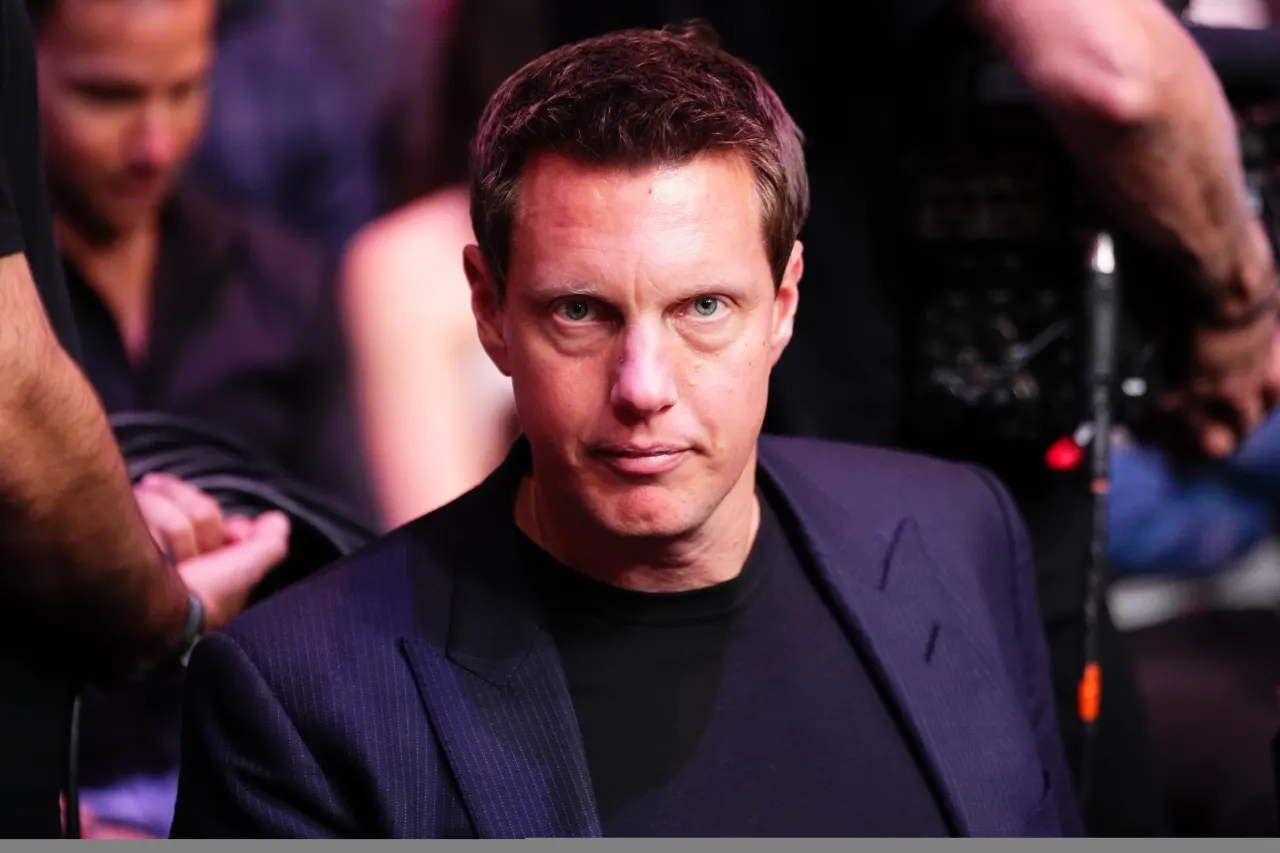
Paramount CEO David Ellison has said the company is "absolutely open" to settling the antitrust lawsuit challenging its proposed $110 billion merger with Warner Bros Discovery, though he expressed confidence it would prevail if the case went to trial. The comments came during Paramount's second-quarter earnings call, shortly after a federal judge set a March trial date for the suit brought by 12 state attorneys general and the Writers Guild of America, which has put the merger on hold. The case matters because it directly threatens the completion of one of the media industry's largest pending deals.
Executives also addressed the financial implications of a delayed closing. Paramount has committed to paying WBD shareholders a "ticking fee" of roughly $650 million per quarter if the deal is not closed by 30 September, alongside a separate "bridge commitment fee" of about $190 million, though CFO Dennis Cinelli stressed the ticking fee only becomes payable if the deal closes. A $7 billion breakup fee would apply if the merger ultimately collapsed, but Cinelli said the company's liquidity position remained solid despite the legal uncertainty, and Paramount limited analyst questions on the topic to focus the rest of the call on streaming and production performance.
In short
- Ellison: Paramount open to settling WBD antitrust suit, confident of trial win
- Judge set March trial date; merger currently on hold
- Delay risks $650m quarterly "ticking fee" and $7bn breakup fee
Steelman: both sides, in good faith
The strongest fair case each way — we don't pick a winner.
The case for
Proponents of the merger contend that substantial scale remains essential for traditional media companies to compete effectively against dominant technology platforms in streaming and content distribution. The combination strengthens an existing competitor's ability to invest in quality programming and services, ultimately benefiting consumers, whilst the broader media landscape remains populated by numerous other significant players. Consolidation generates operational efficiencies that support long-term competitiveness and innovation in an increasingly challenging market.
The case against
Critics argue that further media consolidation threatens the diversity of ownership and content voices that underpin democratic discourse and consumer choice. Combining two significant platforms reduces competitive dynamics within streaming and traditional media specifically, which antitrust law appropriately seeks to prevent. In already concentrated markets, such consolidation raises legitimate concerns about market power and consumer welfare that warrant judicial scrutiny grounded in protecting competition rather than deferring to corporate efficiency arguments.
Explained simply
Paramount is a US media company, and Warner Bros Discovery (WBD) owns film and television studios, cable channels and the streaming service HBO Max. Paramount has proposed buying WBD in a deal valued at about $110 billion, which would bring major entertainment businesses under one owner.
The merger faces an antitrust lawsuit, which challenges whether combining the companies would reduce competition. It was brought by 12 US state attorneys general and the Writers Guild of America, a union representing film and television writers. A federal judge has scheduled a trial, and the case has put the deal on hold.
The legal challenge matters because the companies cannot complete the merger while the case is unresolved. The agreement also includes payments linked to delays or the deal ending, so the outcome could have significant financial consequences for both companies.
Art Business Companies Culture Research Science