Culture news and discussion on TalkFuse.
David Fincher Ending Netflix Deal After Six Years and Three Movies, Including ‘Cliff Booth’
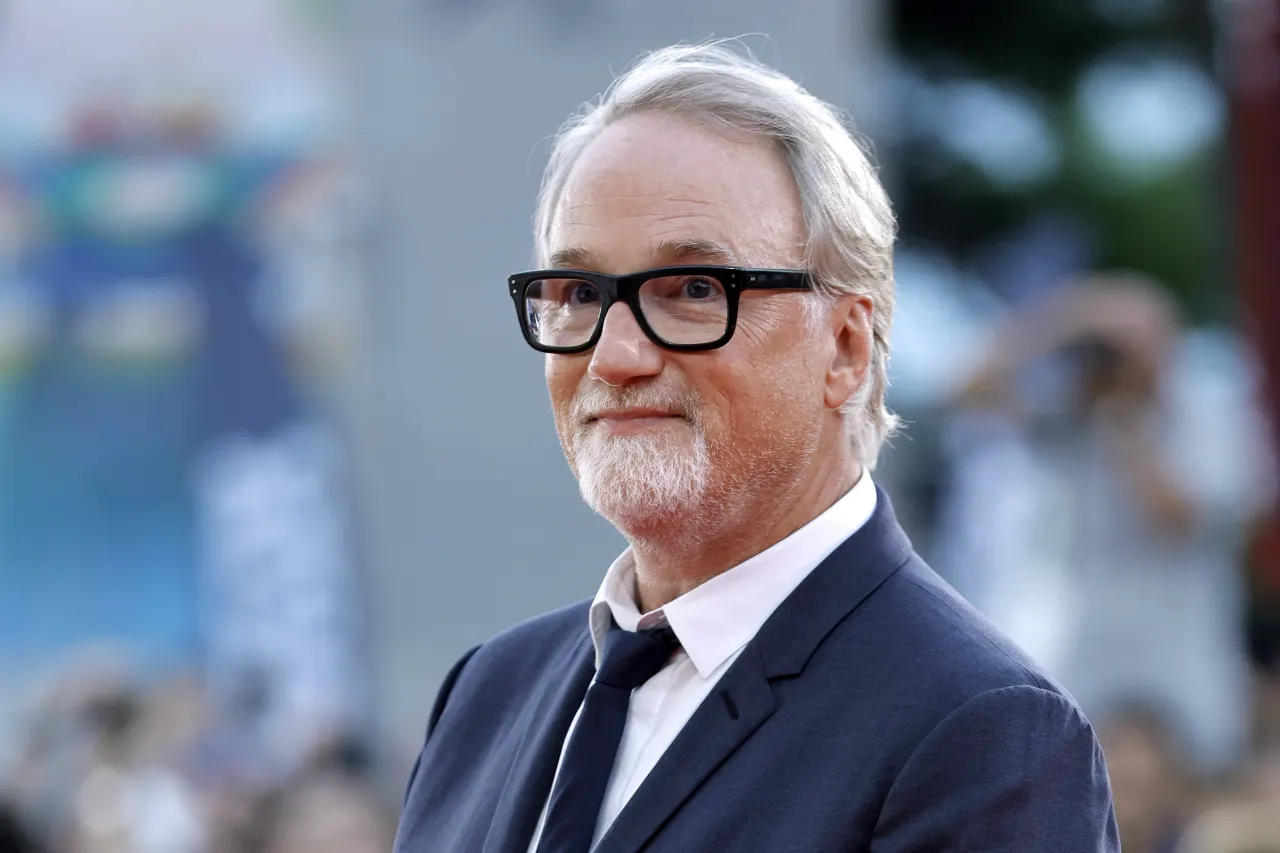
David Fincher is not renewing his exclusive deal with Netflix after six years, during which he directed three films including the upcoming "The Further Mis-Adventures of Cliff Booth." The acclaimed filmmaker, known for "Fight Club" and "The Social Network," is the latest in a string of major talents departing the streaming platform, following directors such as Noah Baumbach and producer Shawn Levy, who have recently signed deals with traditional studios. Unlike those peers, Fincher will not be committing to an exclusive agreement with another studio, though he could still work with Netflix on individual projects.
The "Cliff Booth" film, a spinoff of Quentin Tarantino's "Once Upon a Time in Hollywood" starring Brad Pitt, will receive an unusual hybrid release: a theatrical debut in Imax cinemas on 25 November, followed by its arrival on Netflix on 23 December. This release strategy reflects Netflix's new approach to compete with traditional studios by offering filmmakers the option of theatrical distribution. The exodus of high-profile creators from Netflix underscores the streamer's ongoing challenges in retaining filmmaking talent amid competition from Warner Bros., Disney, and Paramount.
In short
- Fincher ends Netflix deal after three films; won't sign exclusive deal elsewhere
- Part of larger trend of major directors leaving Netflix for studios
- Cliff Booth gets theatrical Imax release before Netflix premiere
Steelman: both sides, in good faith
The strongest fair case each way — we don't pick a winner.
The case for
The systematic departure of major filmmakers from Netflix to traditional studios reveals fundamental inadequacies in streaming-only distribution for prestige cinema. Directors like Fincher, Baumbach, and Levy are deliberately choosing theatrical release and traditional studio infrastructure because cinema is an inherently theatrical art form—its aesthetic dimensions, cultural status, and financial sustainability remain rooted in theatrical exhibition. This pattern reflects genuine artistic preferences among world-class auteurs rather than temporary market fluctuations, demonstrating that streaming platforms cannot fully replace traditional studios for the most distinguished filmmakers.
The case against
Netflix's evolution toward hybrid theatrical-streaming distribution represents intelligent adaptation rather than model failure. The platform's willingness to offer theatrical releases for major titles whilst retaining streaming rights shows it successfully addresses creator demands whilst protecting its core business. Filmmakers like Fincher aren't abandoning Netflix but securing better terms through hybrid releases, which expand Netflix's prestige content and serve diverse audience preferences simultaneously. This approach proves streaming platforms can compete effectively for top talent by embracing theatrical distribution, validating that the future belongs to hybrid models rather than pure theatrical dominance.
Explained simply
David Fincher is one of cinema's most celebrated directors, known for creating films such as "Fight Club" and "The Social Network." For the past six years, he has worked under an exclusive deal with Netflix, the streaming service, which contractually bound him to direct his films for Netflix rather than for traditional cinemas and film studios.
Netflix has recently lost several of its most prominent creative talents under similar exclusive arrangements. Other acclaimed directors and producers, including Noah Baumbach and Shawn Levy, have similarly ended their Netflix deals to work with major film studios instead. These departures reflect the intensifying competition between streaming platforms and traditional studios for top filmmaking talent.
Art Business Celebrity Companies Culture Entertainment Film TV