Culture news and discussion on TalkFuse.
DAVID MARCUS: America needs a museum for COVID madness
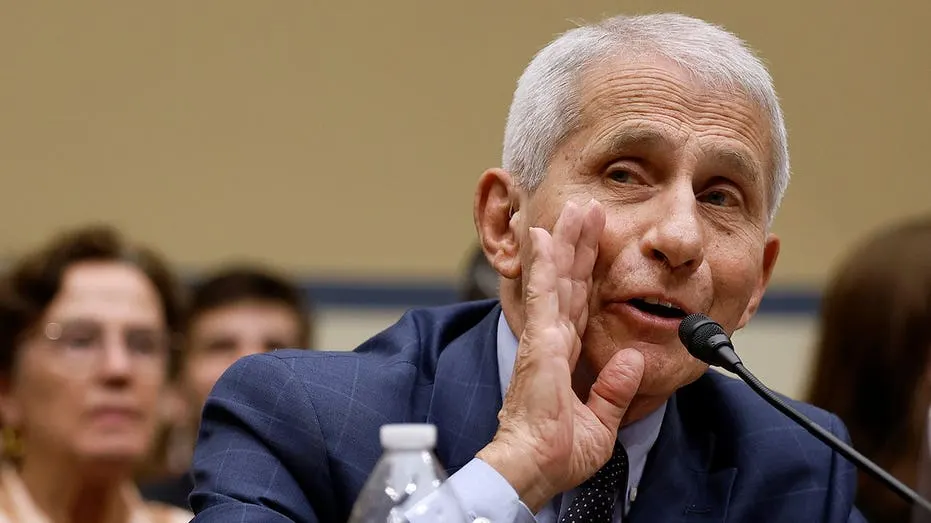
The columnist argues that the United States should create a museum dedicated to the COVID-19 lockdowns, arguing that the period’s restrictions, decisions and human consequences need to be remembered and examined. He frames the idea as a way to help the public make sense of what happened, drawing a comparison with an improvised memorial museum he visited in New York after the 11 September attacks.
The article links this proposal to Dr Anthony Fauci’s recent Senate hearing, which the author presents as renewing scrutiny of the pandemic response. It takes a strongly critical view of Fauci and the broader COVID-era public-health narrative, while suggesting that a Washington museum could preserve evidence and personal experiences from the lockdown period.
In short
- Columnist calls for a US museum examining COVID lockdowns.
- He links the proposal to renewed scrutiny of Anthony Fauci.
- The article argues pandemic restrictions deserve public remembrance.
Steelman: both sides, in good faith
The strongest fair case each way — we don't pick a winner.
The case for
A museum documenting the COVID-19 lockdown period would serve vital functions of historical preservation and public understanding. By collecting evidence, personal testimonies, and records of decisions made during this extraordinary crisis, such an institution could help society examine what occurred, assess whether measures were proportionate to actual dangers, and extract lessons for future emergencies. Historical documentation of major events—even controversial ones—helps citizens understand complex periods and holds institutions accountable.
The case against
A museum explicitly framed around 'COVID madness' would represent partisan advocacy disguised as history rather than objective historical work. Public health decisions during the pandemic were made by professionals under genuine scientific uncertainty, attempting to prevent both deaths and healthcare collapse. Such a museum would oversimplify this complexity into a narrative of pure governmental failure, damage public confidence in health institutions when future emergencies require swift cooperation, and risk politicising a tragic period rather than enabling balanced understanding. Rigorous examination should precede memorialisation, not legitimise predetermined conclusions.
Explained simply
The COVID-19 pandemic led US officials to impose restrictions such as closures, limits on gatherings and stay-at-home orders to slow the spread of the virus. These measures affected daily life, education, work and businesses, and their effects and effectiveness remain subjects of debate.
Dr Anthony Fauci was a senior US infectious-disease official and a prominent adviser during the pandemic. A proposed museum would document decisions made during that period and people’s experiences of them, giving the public material to examine as debate over the response continues.
Art Business Culture Markets World