Politics news and discussion on TalkFuse.
DAVID MARCUS: Experts crowned El-Sayed — then Michigan voters turned his win into a near-disaster
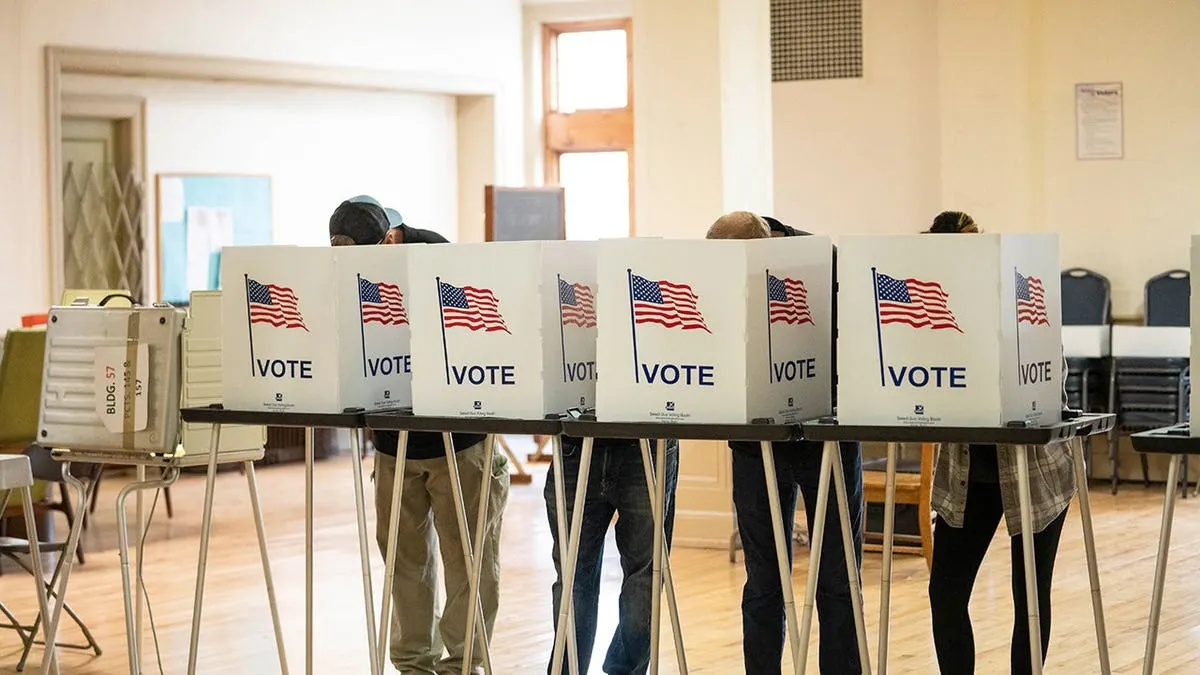
Fox News opinion writer David Marcus reflects on Michigan's Democratic Senate primary, in which progressive candidate Abdul El-Sayed narrowly defeated establishment-backed Rep. Haley Stevens. He argues that most of the media had treated the race as effectively decided in El-Sayed's favour, with late polling showing him with double-digit leads, whereas his own on-the-ground reporting suggested the contest was tightening considerably, particularly after Governor Gretchen Whitmer endorsed Stevens.
Marcus contrasts the pre-election narrative of a comfortable "socialist landslide" with the actual result, in which El-Sayed only scraped past Stevens by a slim margin rather than winning decisively as forecast. He uses the discrepancy to question the reliability of pre-election polling and media coverage, framing the outcome as evidence that Michigan Democratic voters were far more divided over the party's progressive direction than commentators had assumed.
In short
- El-Sayed narrowly beat Stevens in Michigan's Democratic Senate primary
- Media and polls had predicted a comfortable El-Sayed win
- Author says his own reporting showed the race tightening pre-vote
Steelman: both sides, in good faith
The strongest fair case each way — we don't pick a winner.
The case for
Polling and political commentary fundamentally misread Michigan's Democratic primary, confidently predicting a double-digit progressive victory when voters proved far more divided than predicted. This discrepancy suggests real problems with how pre-election analysis operates—whether through inadequate sampling, misunderstanding of late-breaking dynamics, or creation of self-reinforcing narratives that obscure genuine voter sentiment. The narrow actual margin, combined with ground-level reporting of tightening momentum, indicates that media and polling failed to capture important voter reservations about the party's progressive direction.
The case against
Primary elections routinely see late tightening as undecided voters make choices, and endorsements from major figures like Governor Whitmer can meaningfully shift races in ways previous polls may not have fully captured. The progressive candidate ultimately prevailed, confirming the basic directional polling, and differences between predicted and final margins are not unusual in competitive Democratic primaries where voters deliberate carefully. Rather than indicating systemic polling failure, this represents normal political competition where late momentum and high-profile endorsements legitimately change outcomes without requiring that earlier polling was fundamentally flawed.
Explained simply
Michigan’s Senate primary was a contest to choose the Democratic candidate for a seat in the US Senate. Abdul El-Sayed, a progressive politician who previously ran for Michigan governor, faced US Representative Haley Stevens, who had backing from more established Democrats.
Michigan Governor Gretchen Whitmer’s endorsement of Stevens brought added attention to the race. The contest matters because its result can offer clues about divisions within the state’s Democratic Party and which candidates voters may support in future elections.
Elections Government Politics World