Politics news and discussion on TalkFuse.
DAVID MARCUS: Why rising prices may not cost Republicans as much as you think
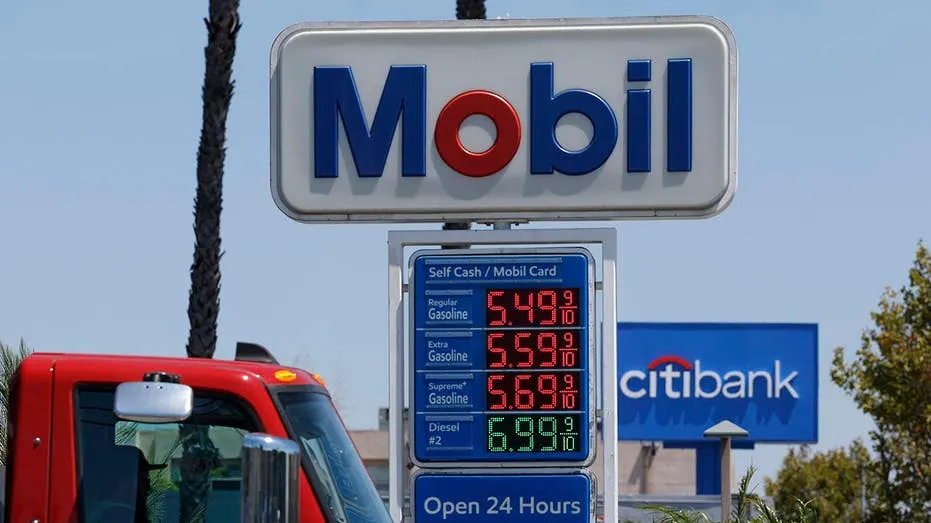
The article argues that rising everyday prices, highlighted by complaints about $20 burritos among younger voters, may not harm Republicans as much politically as critics expect. It frames the debate as connected to the war in Iran, with some people arguing that ending the conflict is necessary to lower costs, while others dismiss the complaints as generational grumbling.
The author presents social-media reactions as divided: some see affordability as a serious warning sign for Republicans before the midterm elections, while others argue young people should tolerate tighter budgets. The article suggests that public concern over prices is real, but questions whether it will translate into significant electoral losses for the GOP.
In short
- Rising burrito prices sparked a broader affordability debate.
- Some see inflation as a midterm risk for Republicans.
- The article links price concerns to the Iran war.
Steelman: both sides, in good faith
The strongest fair case each way — we don't pick a winner.
The case for
Rising everyday prices directly squeeze voters' purchasing power and quality of life, and younger voters struggling with basic affordability typically hold the party in power responsible. Cost-of-living concerns are tangible and immediate rather than abstract policy debates, making them historically powerful drivers of electoral punishment for governing parties. Widespread social-media concern about items like expensive burritos reflects genuine financial strain that translates into electoral penalties for incumbents.
The case against
Cost-of-living pressures are complex global phenomena with multiple causes beyond any single party's control, and voters often distinguish between what they can rationally blame on current leadership versus broader economic forces. Republicans may substantially mitigate electoral damage by successfully communicating alternative narratives about causes and solutions, or by presenting a compelling counter-vision on economic management. Electoral outcomes depend ultimately on how parties frame issues and what alternatives voters perceive, not simply on the existence of economic anxiety itself.
Explained simply
Inflation is the general rise in prices, which can leave people paying more for food, travel and other everyday needs. When prices rise faster than incomes, household budgets come under pressure, and younger adults with less financial security may feel this particularly sharply.
The debate connects the cost of living with the war in Iran, since conflict can affect energy costs and prices more widely. In the United States, Republicans and Democrats are also weighing how voters’ views on prices might shape the midterm elections, when voters choose members of Congress.
Elections Politics Trending Weird & Viral World