DAVID MARCUS: Woke Virginia tears down statue of Geneva Convention pioneer
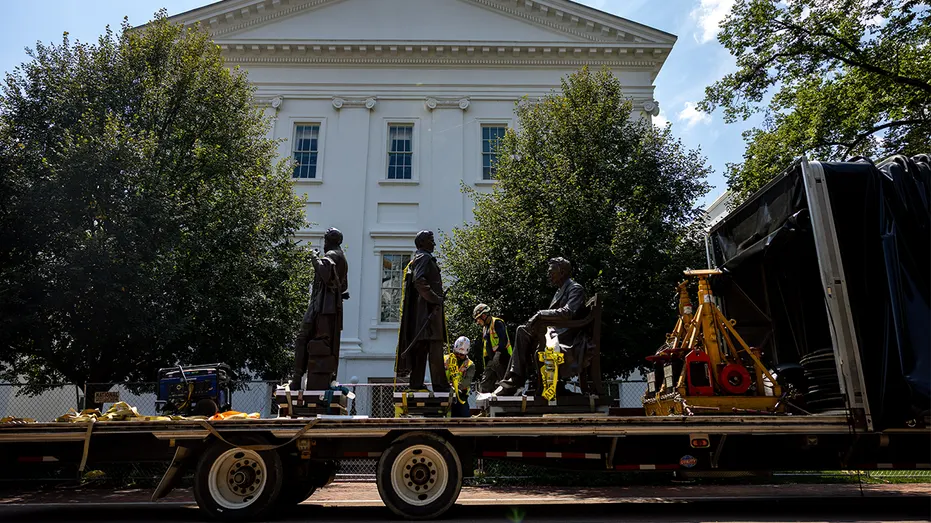
A statue of Dr Hunter Holmes McGuire, a Confederate surgeon credited with helping establish protections for military medical personnel, was removed from Virginia’s Capitol grounds alongside other Confederate monuments. The opinion article criticises the decision as an erasure of history, arguing that McGuire’s humanitarian legacy should have been weighed separately from his Confederate service.
The article says McGuire persuaded Stonewall Jackson to release captured Union doctors after the First Battle of Winchester in 1862, helping create the Winchester Accord, which it says influenced later Geneva Convention protections for medical staff. Democratic state senator Mike Jones supported removal, citing the monuments’ association with racial segregation and the region’s history; the statues are reportedly to be moved to Shenandoah Valley battlefield sites.
- Virginia removed a Confederate surgeon’s statue from Capitol grounds.
- Supporters cite racism; the article stresses McGuire’s medical humanitarian legacy.
- The monuments will reportedly move to battlefield sites.
Both sides, in good faith
The strongest fair case each way — we don't pick a winner.
The case for
Supporters of retaining or prominently contextualising McGuire’s statue argue that historical figures should be assessed in full rather than reduced solely to their side in a conflict. They contend that his reported role in protecting captured medical personnel represents a meaningful humanitarian contribution, and that removing the monument from the Capitol risks obscuring a complicated but important chapter in the development of wartime medical ethics. Their underlying value is that public history should preserve difficult legacies while explaining them honestly.
The case against
Supporters of removal argue that a statue on state Capitol grounds is not a neutral historical record but an official honour, and that Confederate monuments have often served to legitimise a cause bound up with slavery and later racial exclusion. They maintain that McGuire’s medical work can be taught, documented and recognised without presenting him in a setting that may alienate Virginians whose communities were harmed by the Confederacy’s legacy. Their underlying value is that civic spaces should reflect equal citizenship while placing contested artefacts in more appropriate historical contexts.