World news and discussion on TalkFuse.
DBS third-quarter net profit falls 5% on year, misses forecasts
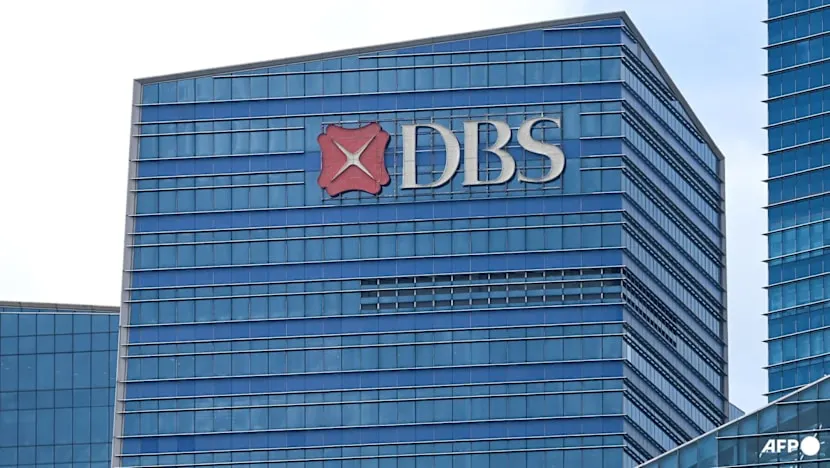
DBS reported a 5 per cent year-on-year fall in third-quarter net profit, missing analysts’ forecasts as sharply lower trading income and uncertain markets weighed on earnings. The results show how rising bond yields, falling technology shares and geopolitical risks are pressuring Singapore banks after a strong first half, despite continued growth in wealth management.
Net profit for July to September was S$2.81 billion, below the S$2.90 billion average forecast. Trading income fell 65 per cent to S$152 million, while net interest margin narrowed to 1.87 per cent; wealth management fees rose 9 per cent to S$864 million and net fee income increased 6 per cent to S$1.43 billion. DBS expects total income to grow by a mid-single-digit rate in 2027 and named Anthony Lim to succeed Peter Seah as chairman on 1 January 2027, after Seah’s 16 years in the role.
In short
- DBS profit fell 5 per cent to S$2.81 billion.
- Trading income dropped 65 per cent amid market volatility.
- Anthony Lim will become chairman in January 2027.
Steelman: both sides, in good faith
The strongest fair case each way — we don't pick a winner.
The case for
The profit decline and forecast miss suggest DBS is exposed to volatile markets, with trading income falling sharply and its net interest margin narrowing. Investors may reasonably expect the bank to explain how it will protect earnings if geopolitical risks and market uncertainty persist, while treating its 2027 income outlook cautiously.
The case against
A quarterly dip may reflect market conditions rather than a lasting weakness in the business: wealth management fees and overall fee income continued to grow. DBS remains profitable, and its expectation of mid-single-digit income growth in 2027 gives a reasonable basis for viewing the shortfall as temporary volatility rather than evidence of a broader deterioration.
Explained simply
DBS is Singapore’s largest bank, serving households and businesses as well as managing money for wealthy clients. Its earnings come from several sources, including interest on loans, fees for managing wealth and income from trading financial assets.
Banks can earn less when markets are unsettled or when changes in interest rates squeeze the gap between what they earn on loans and pay on deposits. DBS’s results therefore offer a view of how these pressures are affecting Singapore’s banking sector, while growth in wealth management provides another source of income.