Politics news and discussion on TalkFuse.
DC Circuit weighs Trump’s takeover of two agencies after Supreme Court agency head removal ruling
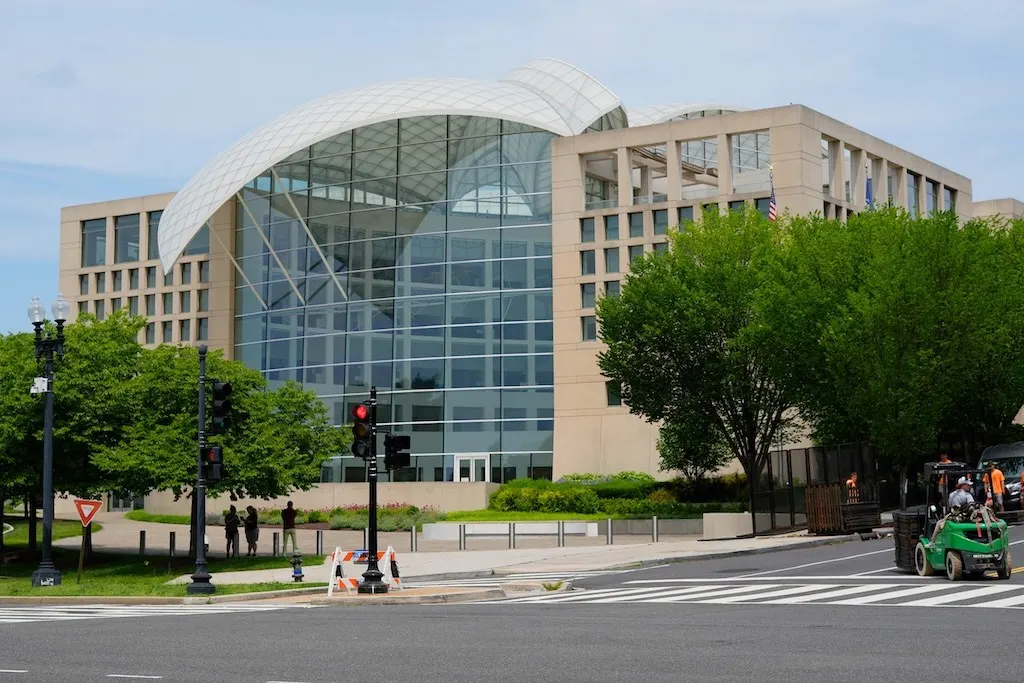
A federal appeals court heard arguments in two cases on Tuesday concerning the Trump administration’s takeover of the US Institute of Peace and the Privacy and Civil Liberties Oversight Board. The cases form part of wider legal challenges to President Donald Trump’s authority to remove officials, and their outcome could clarify how the Supreme Court’s recent ruling applies to those agencies.
The Supreme Court ruled 6-3 in *Trump v. Slaughter* that the president may dismiss officials at most independent executive agencies, while ruling 5-4 in *Trump v. Cook* that the Federal Reserve has special protection from that broad power. Courts had paused several agency-firing cases while awaiting the decisions, including challenges involving board members at the two organisations now before the appeals court.
In short
- Appeals judges heard challenges involving two agency takeovers.
- The Supreme Court backed broad presidential firing powers for most agencies.
- The Federal Reserve was treated as an exception.
Steelman: both sides, in good faith
The strongest fair case each way — we don't pick a winner.
The case for
The administration can argue that elected presidents need meaningful authority to remove officials who exercise executive power, so agencies can be held accountable to voters and carry out the elected government’s policies. The Supreme Court’s ruling in Trump v. Slaughter supports broad removal authority for officials at most independent executive agencies, and applying that principle consistently could clarify the rules governing these boards.
The case against
The challengers can argue that Congress designed these bodies to operate with a degree of independence, allowing them to perform sensitive oversight and protect civil liberties without undue political pressure. They can contend that the Court’s ruling does not automatically settle whether it applies to these particular organisations, whose legal status, functions and statutory protections may differ from those of other agencies.
Explained simply
The US Institute of Peace works on preventing and resolving conflicts, while the Privacy and Civil Liberties Oversight Board reviews government counterterrorism programmes for their effects on privacy and civil liberties. Both are public bodies with some independence from the White House, and their leadership and legal status are at issue in challenges to the administration’s actions.
The president’s power to remove officials at independent agencies has long been disputed. The Supreme Court’s recent decisions drew a distinction between most such agencies and the Federal Reserve, leaving lower courts to determine how that distinction applies to particular organisations. These cases matter because they may shape how much independence agencies can exercise from a president.