Report says Arlington firefighters faced lasting trauma after fatal Potomac collision
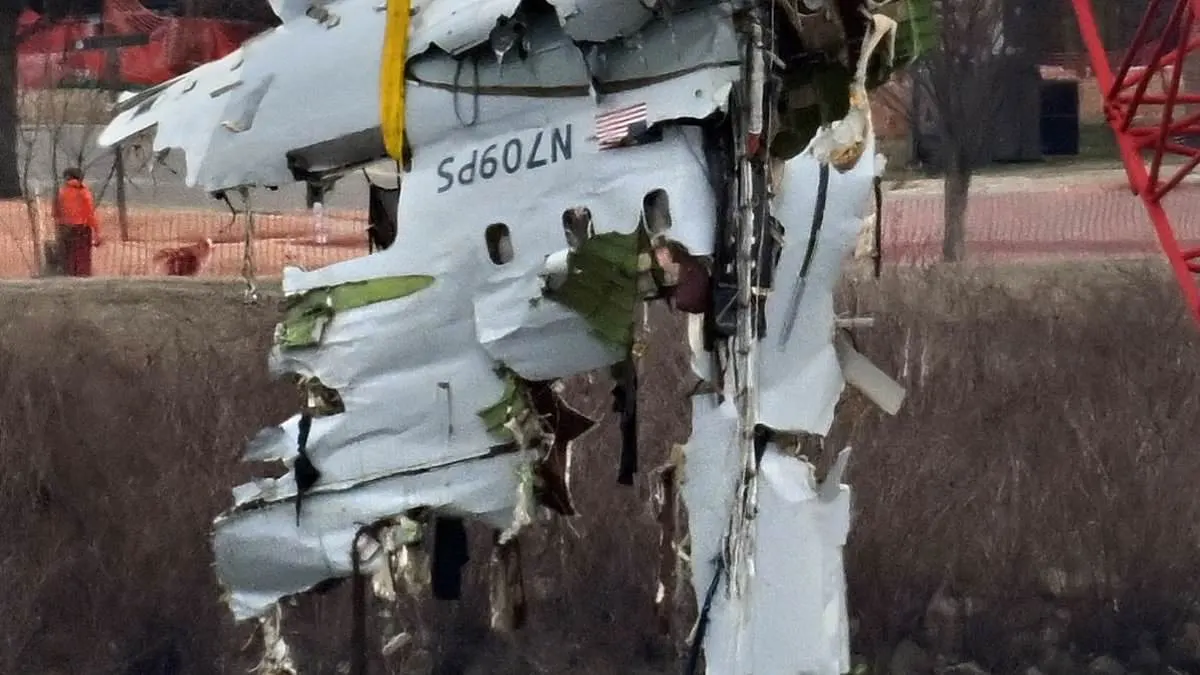
A report says Arlington County firefighters who helped recover victims after the 2025 Washington collision have struggled with sleep, depression, alcohol use and family strain. The memo argues that their experience shows how emergency responders can be left with lasting trauma, and raises questions about whether the department adequately supported its staff.
More than 90 agencies attended after American Airlines flight 5342 and a US Army Black Hawk helicopter collided over the Potomac River on 29 January 2025, killing 67 people. A fire captain’s memo to the fire chief said more than 20 county personnel faced freezing conditions and traumatic recovery work, while senior leaders were largely absent and follow-up support was limited. It also said some responders initially received therapy through workers’ compensation but later had to pay for continued care themselves; the article does not include a response from department leadership.
- A memo says firefighters faced lasting distress after the Potomac crash.
- It alleges gaps in leadership and follow-up support.
- Some responders reportedly had to pay for continued therapy.
New here? Start with this
American Airlines flight 5342 and a US Army Black Hawk helicopter collided over the Potomac River on 29 January 2025, killing 67 people. Emergency crews from more than 90 agencies responded, including firefighters from Arlington County, Virginia.
Firefighters who recover victims after a disaster may face distress that affects their sleep, mental health, drinking and family life. The account also raises broader questions about how fire departments support staff during and after such work, including access to counselling and other care.
Both sides, in good faith
The strongest fair case each way — we don't pick a winner.
The case for
The memo’s account raises a serious concern that firefighters exposed to freezing conditions and traumatic recovery work were not adequately supported, particularly if leaders were largely absent and access to therapy later depended on staff paying themselves. The department has a duty of care to its personnel, and lasting effects on sleep, mental health, alcohol use and family life suggest follow-up support may have fallen short.
The case against
A single memo, as presented, may not capture the department’s full response or the support available to staff, and the article includes no reply from department leadership. The initial provision of workers’ compensation therapy indicates that some care was offered, while questions about later coverage, leadership presence and what further support was feasible require fuller information before judging the department’s conduct.
Read the full article at the source →
Originally published by Daily Mail as “DC plane-helicopter collision that killed 67 was so horrific first responders have turned to alcohol and are unable to sleep two years on, report warns”.