Culture news and discussion on TalkFuse.
D&D World of Warcraft Designer Learned From the Game’s Most Controversial Edition
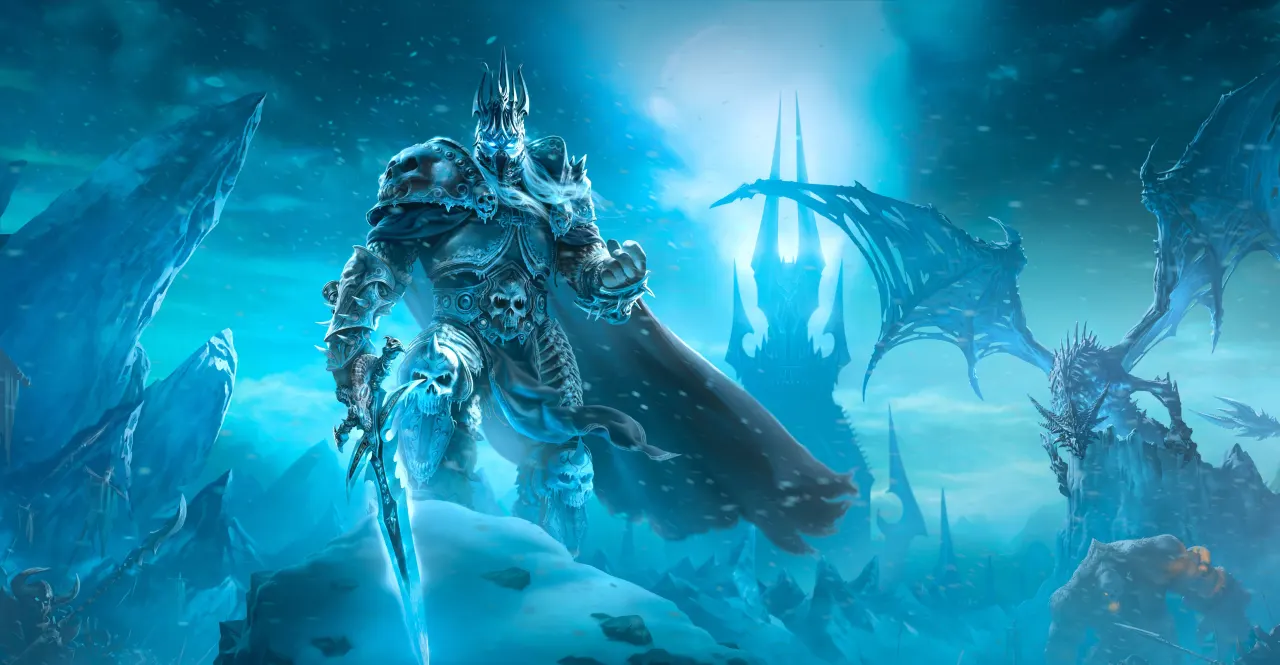
The new Dungeons & Dragons: World of Warcraft Gameplay Expansion helps Dungeon Masters set campaigns in Azeroth, while aiming to capture the setting without making tabletop play feel like the MMO. Lead designer James Wyatt said the project took lessons from D&D’s fourth edition, which he felt followed World of Warcraft in a direction that did not suit the tabletop game.
The book adapts WoW classes and builds using D&D rules, prioritising their flavour over recreating ability rotations, cooldowns or enemy aggro systems. Examples include changing Paladin features to create Death Knights and redesigning the Barbarian with totems to evoke a Shaman. Wyatt said the new spells are balanced against those in the Player’s Handbook, though some may feel unusual outside Azeroth; his guidance also reminds DMs that dungeons can take several sessions to complete.
In short
- The expansion brings Azeroth to D&D without copying MMO gameplay.
- Designer James Wyatt says fourth edition went too far towards WoW.
- New class options and spells focus on flavour within D&D rules.
Steelman: both sides, in good faith
The strongest fair case each way — we don't pick a winner.
The case for
Adapting World of Warcraft through D&D’s own rules can preserve what makes Azeroth distinctive while keeping the flexibility and shared storytelling of tabletop play. Learning from fourth edition’s perceived overreliance on MMO-like design may help the expansion offer recognisable class flavour without importing rotations, cooldowns or aggro systems that could constrain a campaign.
The case against
A closer translation of WoW’s classes and setting could make the world more immediately recognisable and satisfying for fans, and some MMO-inspired structure may suit groups who enjoy tactical, extended dungeon play. Moving too far from WoW’s mechanics risks losing part of what players value, while spells balanced for the Player’s Handbook may feel awkward or less fitting in campaigns outside Azeroth.
Explained simply
Dungeons & Dragons is a tabletop role-playing game in which players create characters and take part in adventures guided by a Dungeon Master. World of Warcraft is a separate online game set in Azeroth, a fantasy world with its own characters, classes and history.
D&D’s fourth edition drew criticism from some players who felt its rules resembled online games such as World of Warcraft too closely. The new expansion brings WoW-inspired characters and settings into D&D, adapting their distinctive feel to rules designed for play around a table.
It is aimed at Dungeon Masters who want to run adventures in Azeroth, where the setting and its familiar roles shape what characters can do. The design choices matter because they affect how closely the book recreates WoW and how naturally its material fits into ordinary D&D campaigns.