Deadliest animal in every US state revealed, from moose and bears to dogs
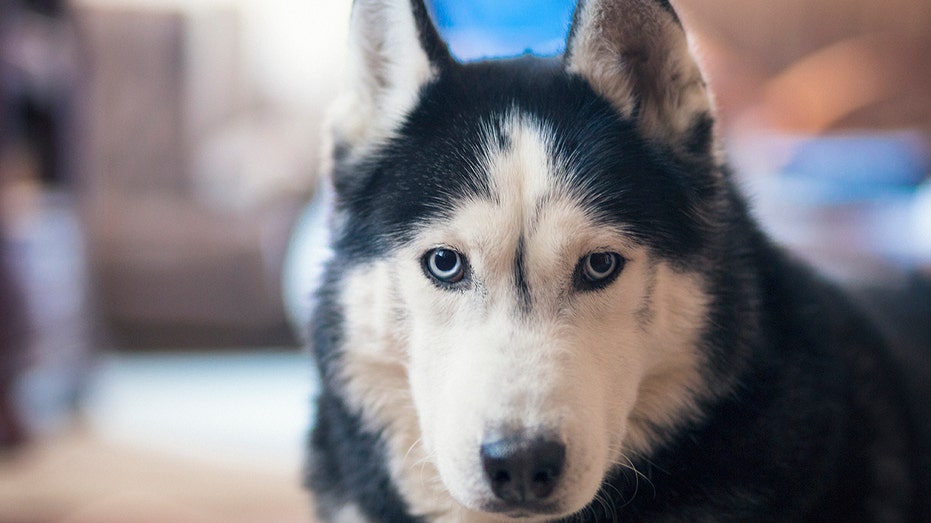
A new report has identified the animal most likely to kill people in each US state, according to demographic data platform World Population Review. The 2026 study highlights a varied mix of culprits across the country, ranging from large wild mammals such as moose and bears to more everyday dangers such as dogs, reflecting how lethal animal encounters differ significantly by region and environment.
Full details of the state-by-state breakdown were not available, though the report points to a mix of wildlife and domestic animals as the leading causes of animal-related deaths depending on location. Large mammals like moose and bears feature prominently in some states, while dogs are cited as the deadliest animal in others, underscoring that the greatest risk is not always from wild or exotic creatures.
- New report ranks the deadliest animal in each US state
- Moose and bears top the list in several states
- Dogs are identified as the biggest threat elsewhere
New here? Start with this
Rabies, dog attacks, bee stings and shark bites all make headlines from time to time, but most people underestimate which animals actually cause the most deaths where they live. Researchers regularly compile official death records, from causes such as animal bites, stings, road collisions with wildlife and other encounters, to work out which species poses the biggest statistical risk in each part of the country.
The results tend to surprise people because the answer is not usually a dramatic predator. In northern, more rural states, large animals such as moose or bears can be significant because of vehicle collisions or occasional attacks, while in many other states everyday animals, particularly dogs, turn out to be responsible for more deaths overall, often through attacks or the transmission of disease.
This kind of state-by-state comparison matters because it reframes how people think about animal danger, shifting attention away from rare but frightening wild encounters and towards more common, close-to-home risks. It also has practical relevance for public safety messaging, insurance and how households manage pets and rural land.