Deadly cartels know where our border agents live. We have to protect their families
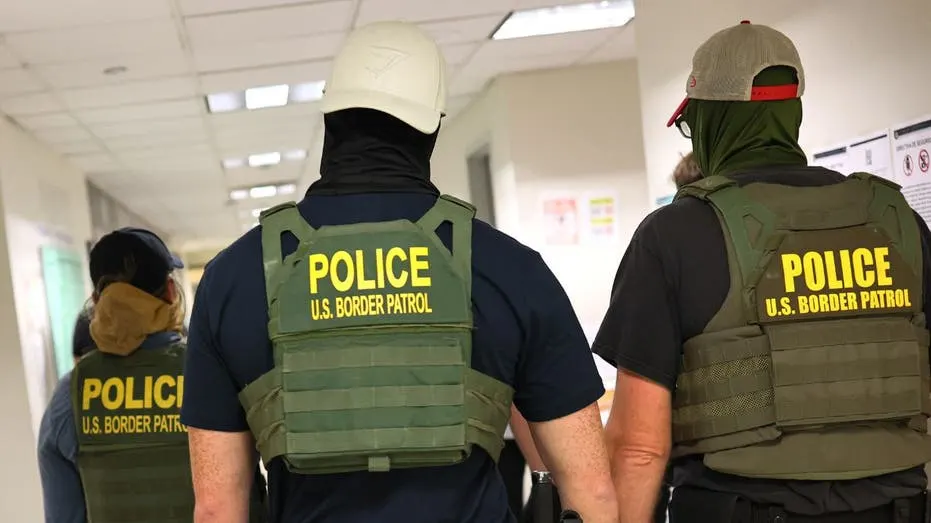
A Justice Department inspector general audit found that the department is poorly coordinated in addressing ubiquitous technical surveillance, leaving employees, investigations, sources and witnesses at greater risk. The article argues that federal agencies should better protect law enforcement officers and their families from information that cartels can use to track and intimidate them.
The article describes a Sinaloa cartel hacker who used phone records, location data and Mexico City cameras to track an FBI official and identify contacts, some of whom were later killed. It also cites reported cartel bounties in Chicago of $2,000 for information on agents and up to $50,000 for killing senior officials, and research showing sensitive military records sold for as little as 12 cents each. The proposed response includes checking what personal information is publicly available, removing home addresses from data broker sites and helping families secure their information.
- DOJ says it is poorly prepared for technical surveillance threats.
- Cartels can combine cheap data with cameras to track agents.
- The article calls for stronger privacy support for officers’ families.