Deadly disease sparks new CDC rule for US-bound flyers as major airlines seek delay
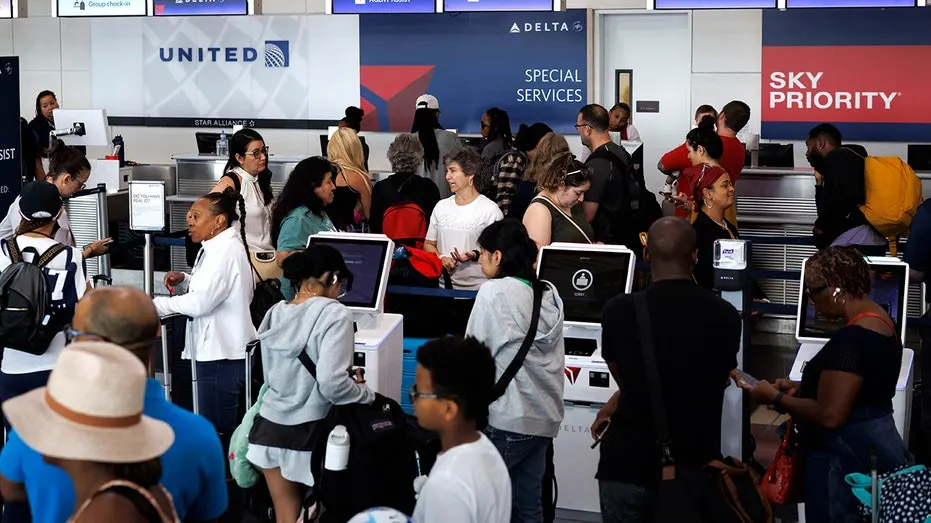
The US Centers for Disease Control and Prevention will require passengers on international flights to the United States to confirm they have not been in the Democratic Republic of the Congo (DRC) in the previous 21 days. The measure is intended to reduce the risk of Ebola entering the country, but airline groups say the broad requirement is being introduced too quickly and have asked for more time.
From 3 November, passengers must submit a paper or digital statement before boarding, including those who have not visited the DRC; airlines must retain forms for at least 42 days after arrival. Anyone who has been in the DRC during the 21-day period, even only in transit, cannot board a US-bound flight without a government exemption. Airlines for America and the International Air Transport Association have sought a delay, while Airlines for America has also requested exemptions for crew and US military charter flights.
In short
- US-bound flyers must declare recent travel to the DRC from 3 November.
- Airlines say they need more time to implement the rule.
- Anyone recently in the DRC cannot board without an exemption.
Steelman: both sides, in good faith
The strongest fair case each way — we don't pick a winner.
The case for
The CDC can reasonably argue that a uniform declaration from every passenger makes recent travel to the DRC easier to identify, including transit, and gives authorities a chance to prevent potentially exposed people from travelling before symptoms appear. Requiring airlines to keep the forms may also support contact tracing if a case is later found, while a clear rule can be simpler to apply consistently than a narrower screening system.
The case against
Airline groups can reasonably argue that collecting and retaining declarations from all passengers creates substantial operational work, even for travellers with no relevant travel history, and that airlines need adequate time to build reliable procedures. They may also contend that exemptions for crew and military charter flights are needed to avoid disrupting essential operations, and that the CDC should tailor requirements to the actual risk and practical limits of enforcement.
Explained simply
Ebola is a serious infectious disease that can cause outbreaks, including in the Democratic Republic of the Congo, or DRC. Health authorities monitor travel from affected areas because people who have been exposed may become ill after a delay.
The US Centers for Disease Control and Prevention (CDC) is the federal agency responsible for monitoring public health risks. International airlines carry passengers into the United States and must follow government rules for those flights.
Airlines for America and the International Air Transport Association represent airline companies. Their concerns about new travel requirements reflect the practical work involved in collecting passenger information and applying rules across international flights.
Americas Business Culture Health Markets Medicine Travel World