Deadly landslide hits Ethiopia mountain monastery during prayer service
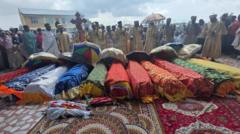
A landslide struck the Tsadqane Debre Mitmaq St Mary Monastery in Ethiopia's northern Amhara region on Monday morning, killing 14 people who had gathered for an overnight prayer service. The hillside above the monastery's cave-carved prayer chamber collapsed after heavy overnight rain, and rescue efforts for anyone still trapped have now been halted. The disaster highlights the recurring danger landslides pose in Ethiopia during its rainy season, with scientists linking such extreme weather to human-driven climate change.
Local official Dagnachew Azbite said the land above the cave gave way after rain that lasted throughout the night, and seven people were found injured, five seriously. The service included a holy water cleansing ritual popular among Orthodox Christians seeking healing, and many of those who died had gathered to receive the water, according to diocese official Megabe Hadis Neka Tibeb Ababu. Eleven victims have been buried at the monastery and the rest returned to their hometowns, though identifying some remains difficult. The tragedy follows other deadly Ethiopian landslides, including over 100 deaths in the Gamo Zone in March and 229 deaths in Geze Gofa Zone in July 2024.
- Landslide at Ethiopian monastery kills 14 during overnight prayer service
- Heavy rain triggered hillside collapse above cave-carved prayer chamber
- Follows other deadly Ethiopian landslides amid worsening extreme rainfall
New here? Start with this
Ethiopia's northern Amhara region has been experiencing heavy seasonal rains, which regularly trigger landslides on the country's steep highland terrain. The Tsadqane Debre Mitmaq St Mary Monastery, where this disaster took place, is an Ethiopian Orthodox site built into a hillside, with a prayer chamber carved into a cave. Orthodox Christians in Ethiopia often hold overnight services that include rituals involving holy water, believed to bring healing, which can draw large crowds of worshippers.
Landslides of this kind are not new to Ethiopia. In recent years the country has suffered much larger death tolls from similar events, including over 100 deaths in the Gamo Zone earlier this year and 229 deaths in Geze Gofa Zone in July 2024. Scientists have pointed to a link between the intensity of such rainfall and human-driven climate change, making these events part of a wider pattern of concern about extreme weather risk in the region.
Local and religious officials, including area administrator Dagnachew Azbite and diocese representative Megabe Hadis Neka Tibeb Ababu, are among those overseeing the response, identifying victims and coordinating burials, some of which take place at the monastery itself. The recurrence of such disasters raises questions about the safety of gatherings at sites built on unstable ground during the rainy season.