NSW restaurant owner warns proposed trust tax could threaten 19 local jobs
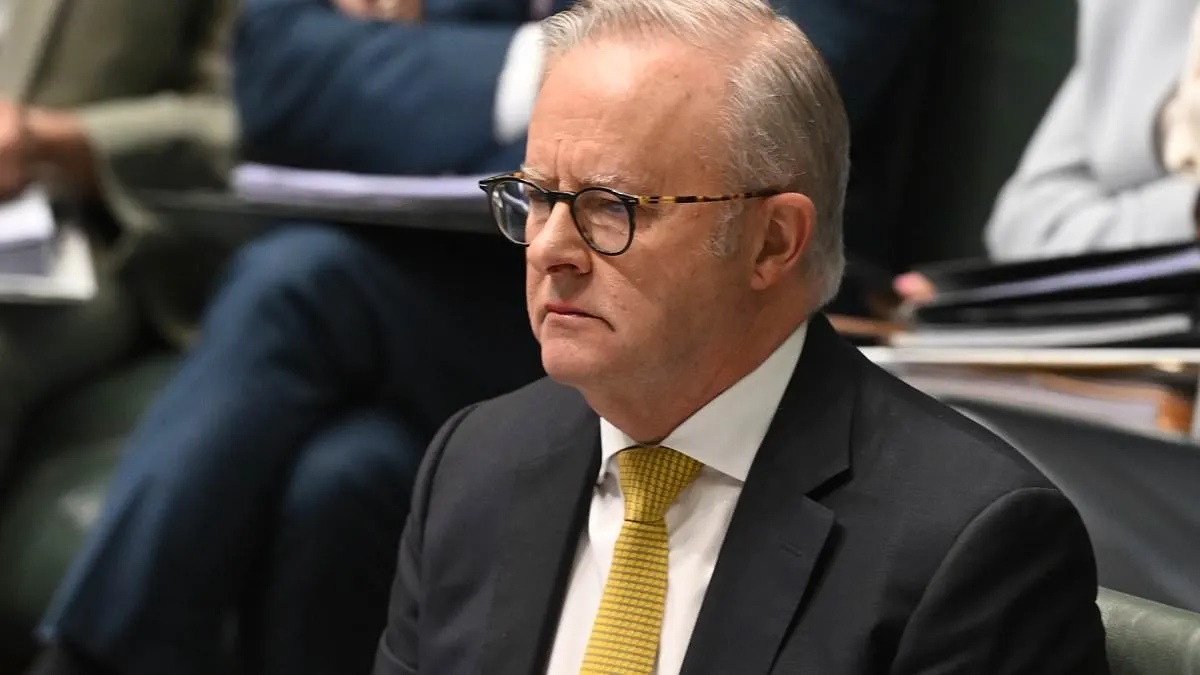
Aurora Klimowicz, who runs a family restaurant and manor house in New South Wales, has urged Prime Minister Anthony Albanese to reconsider a proposed tax on family discretionary trusts. She says rising costs have left her business with little money to reinvest, and that the tax could make it harder to keep 19 local people employed.
Klimowicz says that over the past year the business’s wage bill rose 34 per cent, water costs 102 per cent and food costs 40 per cent, while food sales grew 18 per cent. The proposed 30 per cent minimum tax is due to start on 1 July 2028 if passed; the bill still needs Senate approval. She is encouraging small business owners to contact their senators.
- A Central Coast business owner opposes a proposed trust tax.
- She says operating costs have risen sharply.
- The bill still needs Senate approval.
New here? Start with this
A discretionary trust is a structure where trustees decide which family members or other beneficiaries receive income or assets, and when. Some Australian family businesses use trusts to hold business assets or distribute income; tax rules determine how that income is taxed.
The proposal would set a minimum tax rate of 30 per cent on income distributed from these trusts, from 1 July 2028 if the bill passes. It still needs approval from Australia’s Senate, one of the two chambers of federal parliament.
The debate matters to small businesses that use trusts and employ local people. Supporters of the change argue for a minimum tax rate, while business owners such as Aurora Klimowicz say it could leave them with less money to invest and maintain jobs.
Both sides, in good faith
The strongest fair case each way — we don't pick a winner.
The case for
Supporters of the proposed minimum tax could argue that discretionary trusts should not allow income to be taxed at very low rates through distributions among family members. A 30 per cent floor may improve fairness between taxpayers and raise revenue, while giving businesses time before the measure is due to begin in 2028.
The case against
Opponents could argue that a minimum tax would add pressure to family businesses already facing steep increases in wages, food and other costs. If it reduces money available to reinvest, it could constrain growth or make it harder to sustain local jobs, so the Senate should weigh those effects before approving the bill.
Read the full article at the source →
Originally published by Daily Mail as “Dear Anthony Albanese from a family trying to survive – we employ 19 local people and this is the brutal reality of your new proposed tax”.