Science news and discussion on TalkFuse.
Death of swan family leaves residents ‘devastated’
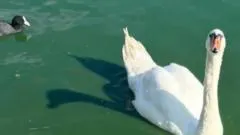
Residents living near Canvey Lake in Essex have described feeling "devastated" and "broken" after the death of an entire swan family, believed to have been killed by exposure to toxic blue-green algae in the water. The two adult swans and their three remaining cygnets were taken to South Essex Wildlife Hospital on Tuesday amid concerns over the lake's deteriorating condition, but all died by Friday, prompting a local committee member to call it an "environmental disaster".
The swans had nine cygnets this year, two of which were earlier killed by foxes and one of which died from avian botulism after being rescued in June. Testing in July 2025 found the lake contained 2.5 million cells of blue-green algae per millilitre, more than 100 times the warning threshold, leading Canvey Island Town Council to surrender its lease to Castle Point Borough Council. The borough council said it was "very saddened" by the losses and confirmed £1m in funding for major restoration works, while noting similar algal bloom problems have affected other bodies of water across the region during the recent heatwave and drought.
In short
- Canvey Lake's entire swan family died after exposure to toxic blue-green algae.
- Two adults and three cygnets died at a wildlife hospital on Friday.
- Council has pledged £1m to restore the lake after the disaster.
Explained simply
Canvey Lake is a body of water on Canvey Island in Essex, where swans and other wildlife live. Blue-green algae can multiply in warm, still water, forming blooms that may release toxins harmful to animals and people.
The lake’s algae levels were found to be far above the warning threshold in 2025. Canvey Island Town Council gave up its lease, and Castle Point Borough Council took responsibility for the site.
The deaths have affected residents and raised concerns about the lake’s condition. The borough council has set aside £1 million for restoration, while similar algae problems have been reported in other regional waterways during hot, dry weather.