News, events and chat from Sheffield and South Yorkshire.
Debenhams is a key piece of the great Sheffield puzzle that we all need to be solved
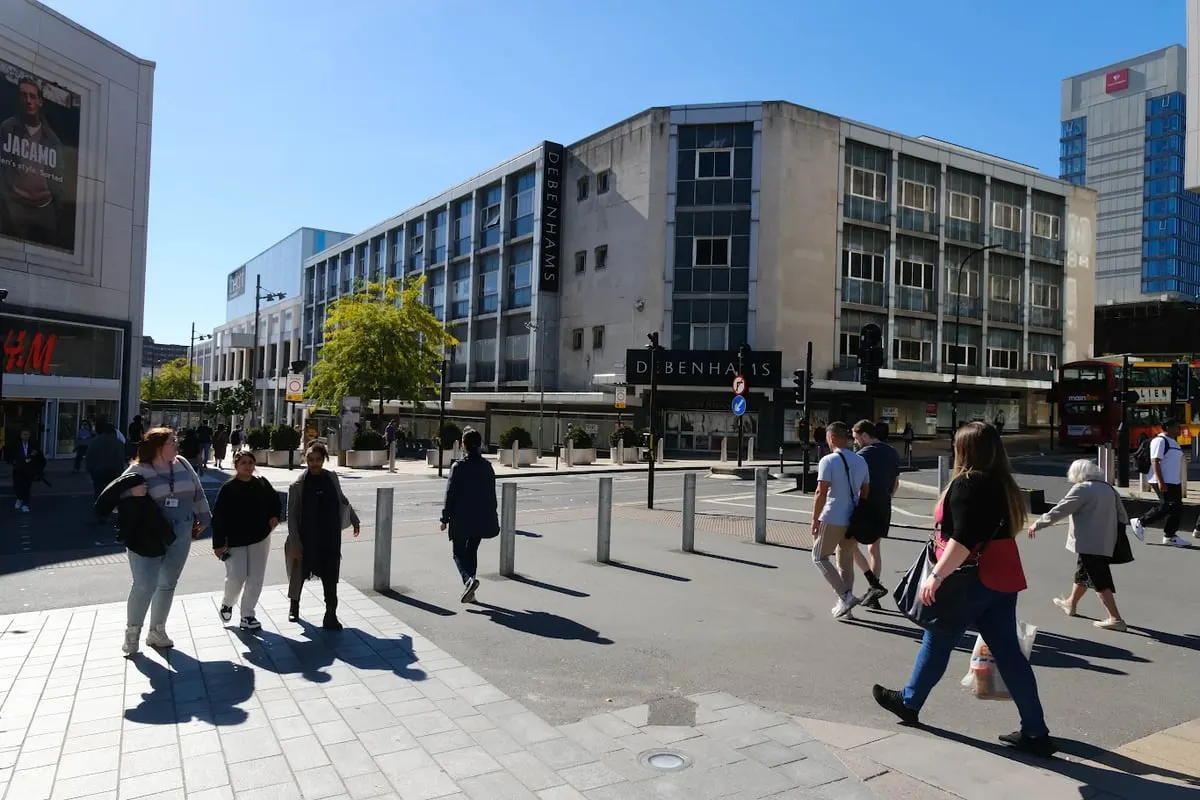
Sheffield's Debenhams on The Moor has been sold for a nominal fee, raising questions about the rationale behind such heavily subsidised property transfers. The transaction becomes emblematic of wider economic pressures facing the city and its residents—from consumer price inflation to unaffordable housing—prompting reflection on whether cities should offer such favourable terms to private redevelopers whilst local communities lack resources to invest in their own spaces.
The author acknowledges that whilst other Debenhams locations across Britain have successfully transformed into thriving community assets, success in Sheffield requires substantial investment that local stakeholders cannot provide. The central tension remains whether enabling redevelopment through nominal transfers will genuinely serve the city's revival, or whether private developers acquiring properties at such advantageous terms will prioritise profit extraction over authentic community benefit.
In short
- Debenhams building on Sheffield's Moor transferred to new owners for £1; restoration requires substantial investment
- Author questions whether heavily incentivized property deals genuinely serve communities or primarily benefit private developers
- Other UK Debenhams have been successfully repurposed; Sheffield hopes for similar revival despite ongoing urban challenges
Steelman: both sides, in good faith
The strongest fair case each way — we don't pick a winner.
The case for
Sheffield's residents face acute economic pressures including inflation and unaffordable housing, yet the city is transferring valuable prime property to private developers at nominal cost, forgoing revenue that could support genuine community needs. When councils gift such assets cheaply, they create a moral hazard that extracts value from the public realm and establish precedents where developers can profit substantially from publicly-subsidised acquisitions, with no guarantee the outcome will serve residents rather than narrow commercial interests.
The case against
Empty, declining retail buildings generate no jobs, no footfall, and no economic activity for Sheffield. The council lacks capital for redevelopment, and private developers will not invest without viable returns. By accepting nominal terms, the city unlocks private investment that catalyses broader revitalisation, creates employment, and generates tax revenue that would simply not materialise otherwise. Waiting for perfect fairness means continued urban decay; pragmatic enablement of private development, even on unfavourable terms, better serves residents than maintaining moribund city centres.
Explained simply
Debenhams was a major department store chain, and its former shop on The Moor is part of Sheffield’s city-centre redevelopment. The Moor is a key shopping area, where empty or changing retail buildings affect nearby businesses and public spaces.
Councils and property owners sometimes sell buildings cheaply to encourage investment and bring them back into use. The debate is over how to balance the cost of redevelopment with public benefit, including who decides what a building becomes and who gains from the investment.