Defence shambles as Wes Streeting says he DOES want spending to hit 3% of GDP by 2030… but admits Chancellor John Healey won’t commit to the date for another year
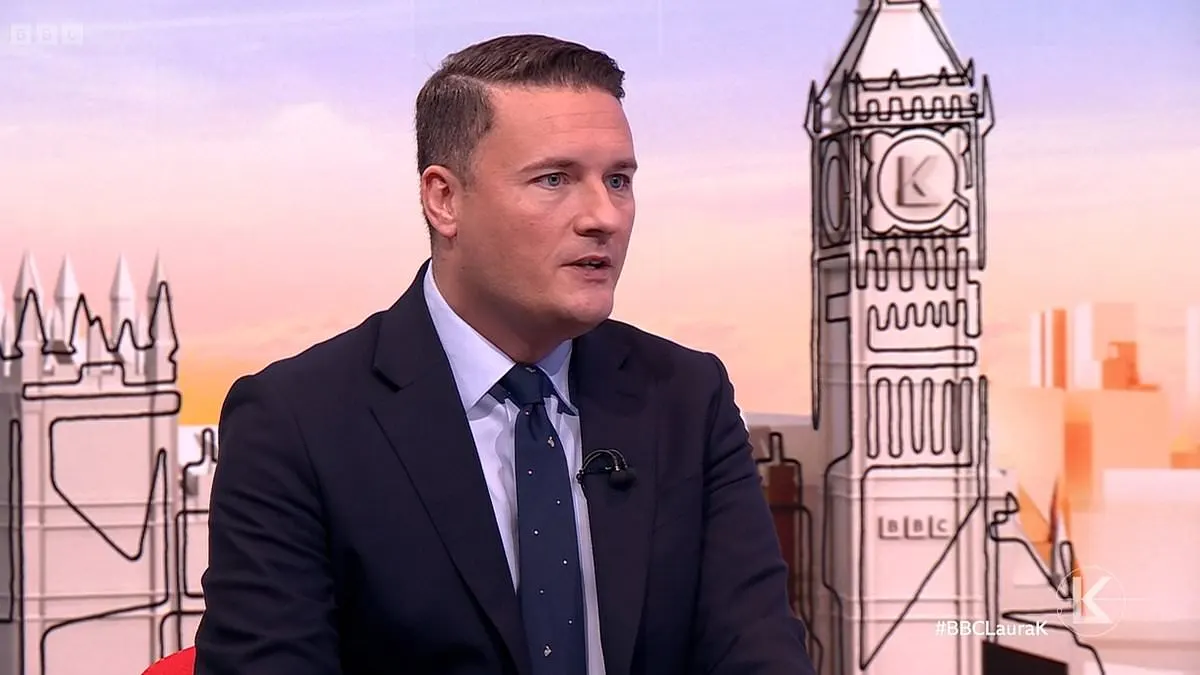
Defence Secretary Wes Streeting said he supports raising UK defence spending to 3 per cent of GDP by 2030, but said Chancellor John Healey will not commit to that timetable until a Spending Review next year. The delay has renewed criticism that the Government lacks urgency amid concerns about security threats, including from Russia.
Streeting argued that announcing the target without explaining how it would be funded could unsettle financial markets and increase government borrowing costs. The Budget on 28 October is expected to address a nearly £5 billion shortfall in the Defence Investment Plan, but not set out the longer-term funding path. Conservative shadow defence secretary James Cartlidge called for the Government to commit to the 2030 goal in the Budget.
- Streeting supports 3 per cent of GDP for defence by 2030.
- Healey will defer a spending commitment until next year’s review.
- The Budget is expected to address a nearly £5 billion defence-plan gap.
New here? Start with this
The UK is debating how quickly to raise defence spending to 3 per cent of the nation's economic output, a target recommended by NATO. This involves two senior figures: the Defence Secretary, who oversees military spending priorities, and the Chancellor, who controls the overall government budget.
Russia's military activities have raised security concerns in Europe, creating pressure for countries to invest more in defence. The 3 per cent target reflects NATO's guidance on what member nations should spend to maintain collective security.
Committing to a spending target requires detailed planning about how to fund the increase. Such plans are typically decided during spending reviews, when the government sets budgets for all departments for the coming years.
Both sides, in good faith
The strongest fair case each way — we don't pick a winner.
The case for
The Government should commit to the 3% defence spending target immediately, as security threats from Russia and elsewhere demand urgent, credible action. Delaying the announcement signals weakness to adversaries and allies alike, undermines defence planning certainty, and allows political wrangling to obstruct what is presented as a genuine policy goal. A clear, near-term commitment demonstrates that the nation takes its security obligations seriously.
The case against
Announcing a substantial spending commitment without first detailing how it will be funded risks destabilising financial markets and increasing government borrowing costs, ultimately harming the economy that defence must protect. A careful spending review next year allows the Government to set a realistic, funded target rather than making a promise that fiscal pressures might later force it to break. Responsible governance requires that major commitments be properly planned and sustainable.