Culture news and discussion on TalkFuse.
Defense industry leaders align with Trump admin plans in closed-door strategy session on defense spending
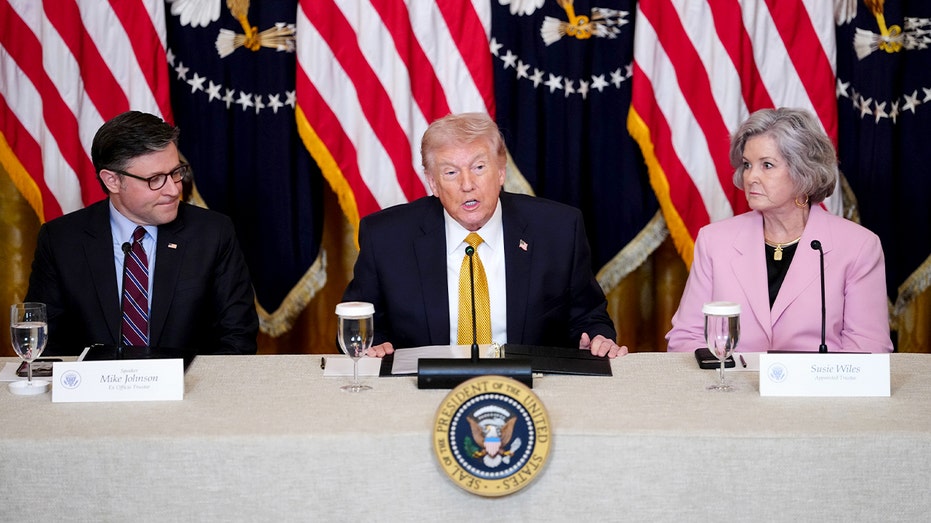
Senior Trump administration officials, including Chief of Staff Susie Wiles, held a closed-door White House meeting with leading defence contractors to discuss funding for the Iran war in the House budget reconciliation package. The meeting matters because it suggests the administration is seeking industry support for its defence-spending priorities as Congress considers the legislation.
Officials from the Department of War and the Office of Management and Budget attended alongside leaders from 17 major contractors. Companies named in the article included Raytheon, BAE Systems, Honeywell, Northrop Grumman, Lockheed Martin and Palantir.
In short
- White House officials met defence firms over Iran war funding.
- Seventeen major contractors reportedly attended the strategy session.
- The talks concerned a House budget reconciliation package.
Steelman: both sides, in good faith
The strongest fair case each way — we don't pick a winner.
The case for
Defence policy requires practical consultation with contractors who understand manufacturing capacity, timeline constraints and technical feasibility. Senior officials need accurate information about what industry can deliver to develop realistic military strategy and budgets. Such consultation with key stakeholders is standard practice across administrations and reflects responsible governing rather than improper influence. Engaging contractors on their capabilities is entirely appropriate to national security planning and the meeting's public reporting demonstrates openness.
The case against
Closed-door meetings between officials and defence contractors raise serious concerns about corporate capture of military policy and foreign strategy. Contractors have powerful financial incentives to exaggerate security threats and promote higher spending regardless of whether escalation serves genuine national interests. Democratic accountability requires transparency and Congressional oversight of such discussions, not private access for companies that profit directly from conflict decisions. This arrangement exemplifies the military-industrial complex problem: those who gain most from military action have unmediated influence over the officials deciding whether to wage it.
Explained simply
The United States is currently engaged in military conflict with Iran. Congress must approve and fund such military operations through the federal budget process.
The defence sector comprises large companies such as Raytheon, Lockheed Martin, Northrop Grumman, BAE Systems, Honeywell and Palantir, which manufacture and supply weapons, equipment and services to the military. The government regularly consults with these companies on defence matters because of their expertise and their role in supplying military capabilities.
Budget reconciliation is a legislative procedure that Congress uses to make changes to federal spending, including defence budgets. Defence contractors are often consulted during this process because their expertise helps inform decisions about military capabilities and procurement.