Defiant Venezuelan dictator Nicolas Maduro rails against torture charges and denies claims Americans were asphyxiated and given electric shocks to the genitals…leading judge to stop him speaking
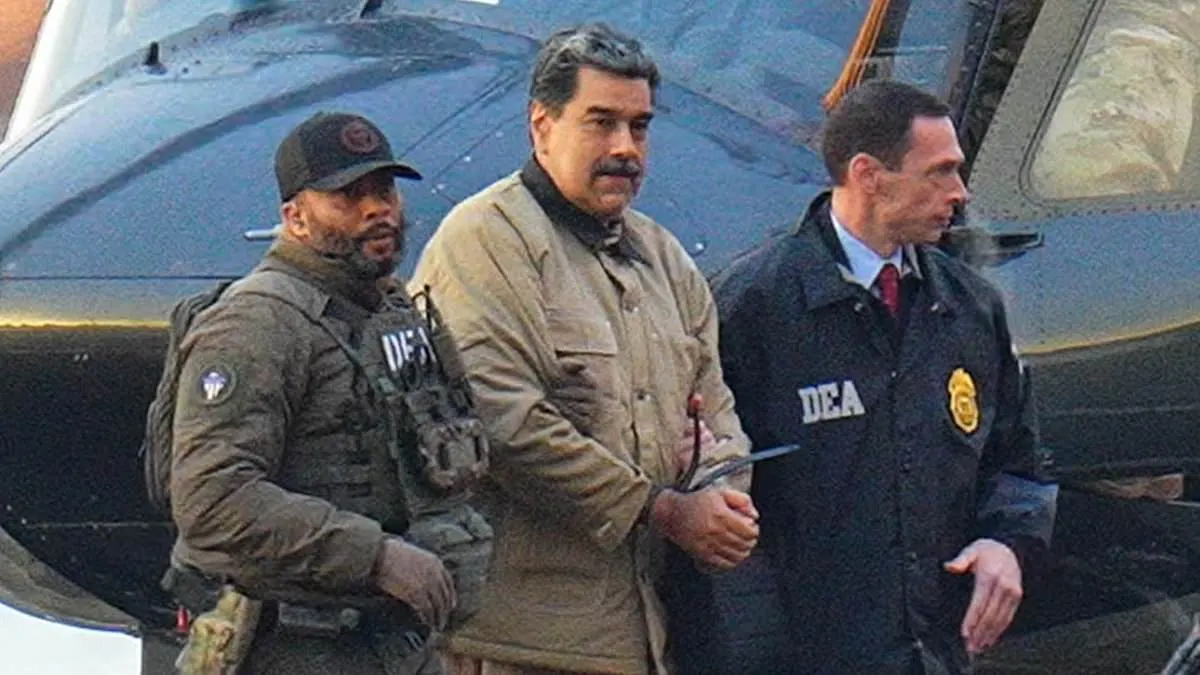
Nicolás Maduro and his wife, Cilia Flores, pleaded not guilty in a Manhattan court to a new charge of conspiring to commit torture. Maduro rejected the allegations as false, but the judge entered a not guilty plea on his behalf after he declined to do so directly. The case adds serious human rights claims to existing US drug-trafficking charges against the couple.
Prosecutors allege that Maduro and Flores approved physical and psychological abuse of people they considered threats, including some US citizens. The indictment describes simulated drowning, asphyxiation, electric shocks to the genitals and injections of substances said to cause seizures. The pair have been in US custody since their arrest in Venezuela in January; Maduro was president from 2013 until his arrest.
- Maduro rejected the new torture allegations in court.
- A judge entered a not guilty plea on his behalf.
- Prosecutors say some alleged victims were US citizens.
New here? Start with this
Nicolás Maduro was Venezuela’s president from 2013 until his arrest in January, when he and his wife, Cilia Flores, were taken into US custody. They are facing US charges related to alleged drug trafficking, and the case is being heard in a federal court in Manhattan.
The new charge concerns alleged abuse of people regarded as threats, including some US citizens. Prosecutors say Maduro and Flores approved physical and psychological torture; both deny the allegations. The claims add human rights accusations to a case that already has potential consequences for the couple and for US-Venezuela relations.
Both sides, in good faith
The strongest fair case each way — we don't pick a winner.
The case for
The prosecution’s case is that torture allegations are grave enough to warrant a full judicial examination, and that the detailed indictment and evidence should be tested in court regardless of Maduro’s former position. If the claims are proved, holding senior officials accountable could affirm that power does not place anyone above the law and recognise the harm done to victims.
The case against
Maduro and Flores deny the allegations, and a fair trial requires treating the indictment as accusations rather than established facts. Their defence can challenge the reliability of evidence and the prosecution’s account, while raising whether a case brought by the United States against a former Venezuelan president can be conducted impartially and with proper regard for due process.