DEI hiring boost for one blue state’s Muslim commission initiative flies in face of Trump’s anti-woke push
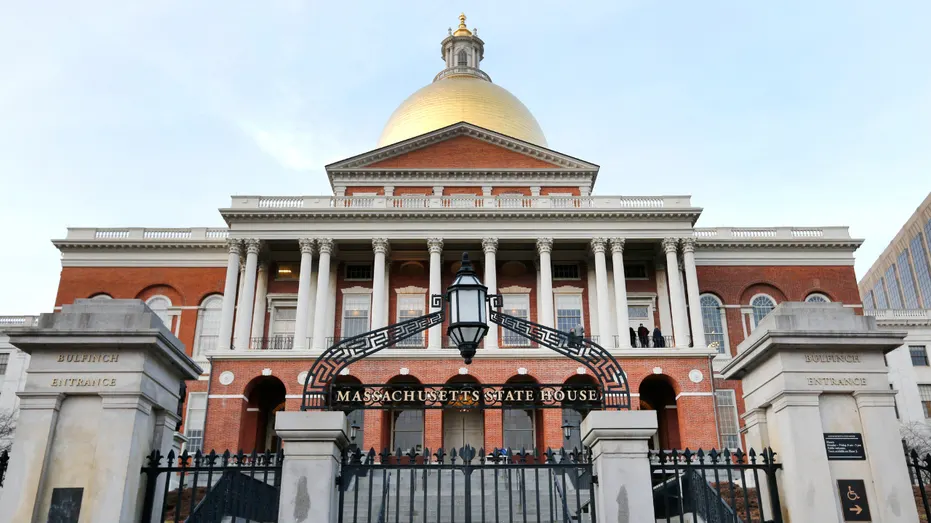
Massachusetts lawmakers are advancing legislation to establish a permanent commission aimed at boosting the appointment of American Muslims to state government positions. The move comes as the Trump administration continues its efforts to dismantle diversity, equity and inclusion (DEI) initiatives at the federal level, placing the Democratic-led state's approach in direct contrast with the White House's broader anti-DEI agenda.
The proposed body would work to recommend qualified Muslim Americans for appointed roles within Massachusetts' state government, reflecting a continued commitment to identity-based representation in public appointments. The initiative highlights a growing divide between federal policy under Trump and the approach taken by some Democratic-led states, which continue to pursue diversity-focused hiring measures despite pressure from Washington to scale such programmes back.
In short
- Massachusetts advances bill for a permanent Muslim advisory commission.
- Aims to boost Muslim American appointments to state roles.
- Contrasts sharply with Trump's federal anti-DEI campaign.
Steelman: both sides, in good faith
The strongest fair case each way — we don't pick a winner.
The case for
Supporters contend that the commission addresses the historical underrepresentation of Muslim Americans in state government and ensures this community's perspectives meaningfully inform policymaking affecting them. They argue that actively identifying qualified candidates from traditionally marginalised communities enhances both democratic representation and government effectiveness, drawing from talent pools that systemic barriers have largely excluded without compromising merit standards.
The case against
Critics argue that appointments should rest exclusively on professional merit and qualifications, irrespective of religious or demographic identity. They contend that allocating positions based on religious affiliation raises fairness concerns for other qualified candidates and sits uneasily with secular governance principles that conventionally treat religious identity as private rather than relevant to public employment decisions.
Explained simply
Massachusetts lawmakers are advancing plans to establish a permanent commission that would identify and recommend qualified Muslim Americans for appointed positions in state government. The commission aims to increase the representation of Muslims in government, reflecting broader efforts by some states to ensure their administrations reflect their diverse populations.
This initiative stands in sharp contrast with federal policy under President Trump. The Trump administration is actively dismantling diversity, equity and inclusion (DEI) initiatives—programmes designed to improve opportunities for underrepresented groups—at the federal level. Meanwhile, some Democratic-led states including Massachusetts are actually expanding such efforts, creating a fundamental disagreement between state and federal governance on how appointments should be handled.
The clash illustrates a deep divide in American politics over diversity hiring. Supporters argue that such commissions ensure qualified candidates from all backgrounds receive fair consideration for public service, whilst critics contend these programmes constitute unfair discrimination. The competing approaches at different levels of government demonstrate how polarised Americans remain on this question.