Delhi anticipates renewed protests after Cockroach Janta Party leaders freed
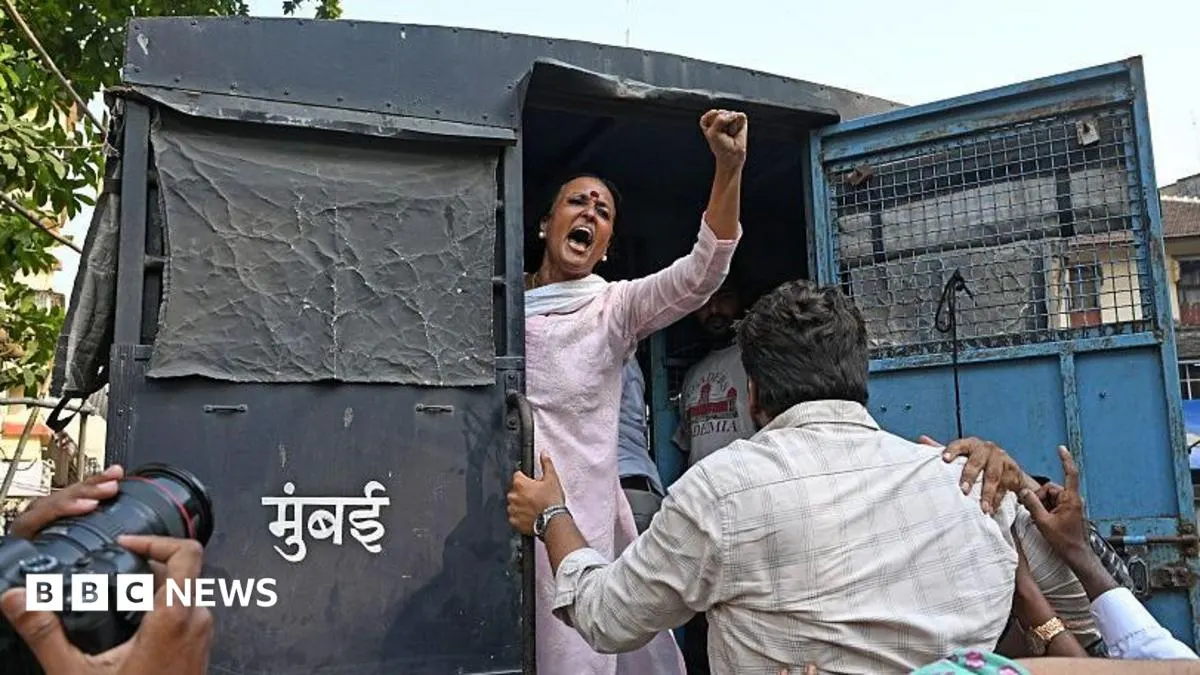
India's court has released Gen Z-led Cockroach Janta Party leaders detained on Saturday during protests demanding electoral reforms. The move comes as Delhi braces for renewed demonstrations, highlighting both the movement's reach and authorities' efforts to control it ahead of crucial state elections.
Approximately 7,000 protesters were detained on Saturday and released late that night, as Delhi was placed under lockdown with 45 metro stations shut, trains cancelled and roads barricaded. The CJP movement began in May after India's Chief Justice likened jobless youth to "cockroaches", and now demands electoral reforms and the resignation of the Chief Election Commissioner over the controversial purging of 130 million voter names from electoral rolls. Leaders Abhijeet Dipke, Saurav Das and Ashutosh Ranka were released under a year-long condition not to breach peace.
- Court released detained protest leaders but banned them from breaching peace for a year.
- Delhi locked down with 45 metro stations closed and 7,000 people detained on Saturday.
- Movement demands electoral reforms and resignation of Chief Election Commissioner.
New here? Start with this
The Cockroach Janta Party is a youth-led protest movement that began in May after India's Chief Justice likened unemployed young people to "cockroaches". Activists adopted this insult as their movement's name, transforming an offensive remark into a rallying cry for reform.
The movement demands electoral reforms and the resignation of India's Chief Election Commissioner, protesting the removal of 130 million voters from electoral lists. Supporters argue these removals prevent millions from voting and undermine democracy, concerns that particularly resonate with younger Indians before important state elections.
Large-scale protests in Delhi have shown the movement's growing influence, forcing authorities to implement significant security measures including metro closures and road blockades. The government's response demonstrates how the movement has become a major challenge to India's political establishment.
Both sides, in good faith
The strongest fair case each way — we don't pick a winner.
The case for
The movement raises substantive concerns about electoral integrity that warrant serious democratic attention. The purging of 130 million voters from electoral rolls represents a profound threat to democratic participation, and when such systemic issues appear unaddressed through normal channels, large-scale protest becomes a legitimate—and sometimes necessary—mechanism for holding institutions accountable. Youth-led movements have historically prompted crucial democratic reforms, and the Chief Justice's characterisation of jobless citizens as "cockroaches" arguably reflects a troubling dismissal of legitimate grievances meriting public scrutiny.
The case against
Whilst electoral concerns deserve serious engagement, the scale of disruption—closing 45 metro stations, cancelling trains, detaining 7,000 people—imposes substantial costs on ordinary citizens' safety and livelihoods. Maintaining public order is itself essential to democracy's functioning; protests of this magnitude during state elections risk destabilising the electoral process itself. Grievances about voter rolls and electoral administration are properly addressed through courts, regulatory bodies and formal democratic mechanisms rather than mass disruption that affects uninvolved citizens and potentially undermines the institutions those reforms require.
Read the full article at the source →
Originally published by BBC World as “Delhi braces for more protests as ‘cockroach’ group’s leaders released”.