World news and discussion on TalkFuse.
Delhi starts winter pollution curbs as haze returns to the capital
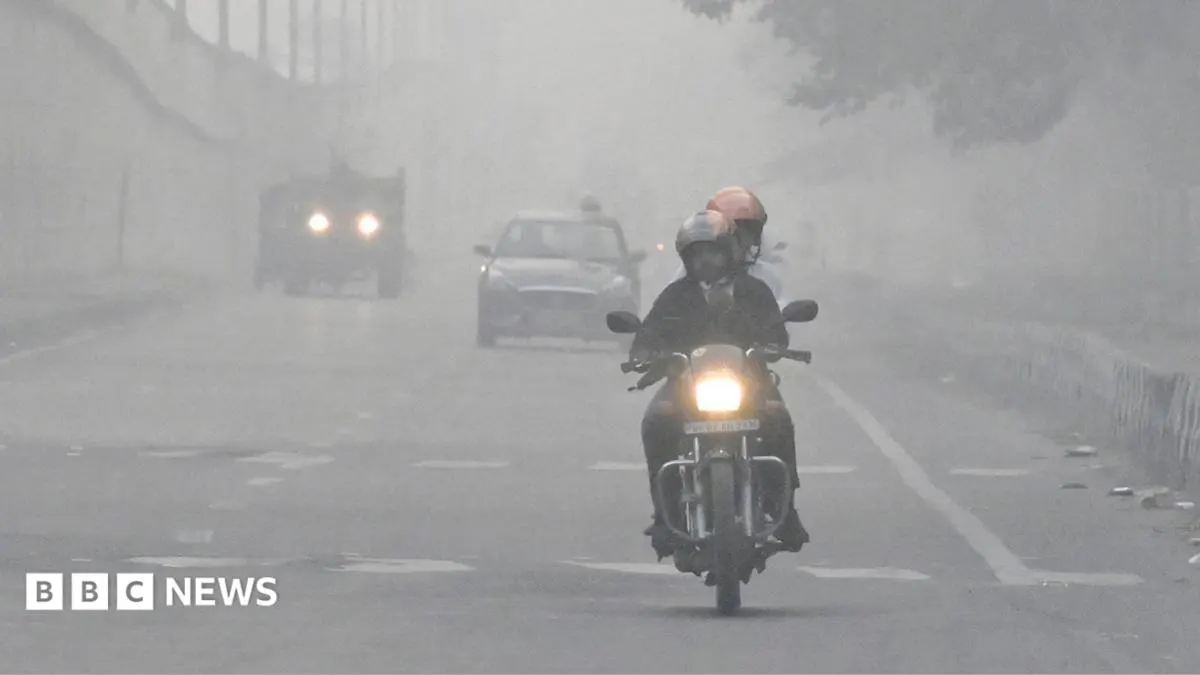
Delhi has begun its Winter Action Plan as haze and smoky air return, bringing eye irritation, breathing difficulties and coughs for residents. The early start has been welcomed by experts, but they say it will matter only if measures are enforced and form part of longer-term action against pollution.
The plan runs from 1 November to 28 February and restricts older, more polluting vehicles from entering the city, pauses some dust-generating construction and encourages less private car use. Delhi has also activated the second stage of the separate federal response plan, which restricts diesel generators and burning coal or firewood. Pollution is driven by several sources, including traffic, factories, construction dust and crop-residue burning, while winter weather traps pollutants near the ground.
In short
- Delhi’s winter pollution plan is in force as haze returns.
- Measures target vehicles, construction dust and private car use.
- Experts say enforcement and lasting action will determine its impact.
Steelman: both sides, in good faith
The strongest fair case each way — we don't pick a winner.
The case for
Starting the curbs early may reduce exposure during the months when winter weather traps pollution near the ground, while restrictions on older vehicles, dusty construction and some fuel burning target several known sources. Encouraging less private car use also signals that residents and businesses share responsibility for cleaner air. Given the reported breathing and eye problems, prompt action has a strong public-health rationale.
The case against
Temporary restrictions may impose costs on commuters, construction workers and businesses, particularly if alternatives such as reliable public transport are limited. Because pollution comes from multiple sources, including factories and crop-residue burning beyond the city’s control, local seasonal curbs may have limited effect unless they are consistently enforced and coordinated with longer-term regional measures. A plan’s early start is therefore not, by itself, evidence that it will deliver lasting improvements.
Asia Environment Government Politics Science World
Read the full article at the source →
Originally published by BBC World as “Delhi’s toxic winter air is back – is the Indian capital prepared for pollution?”.