Dem drops US Senate bid, leaving independent candidate as lone challenger to incumbent GOP Sen Mike Rounds
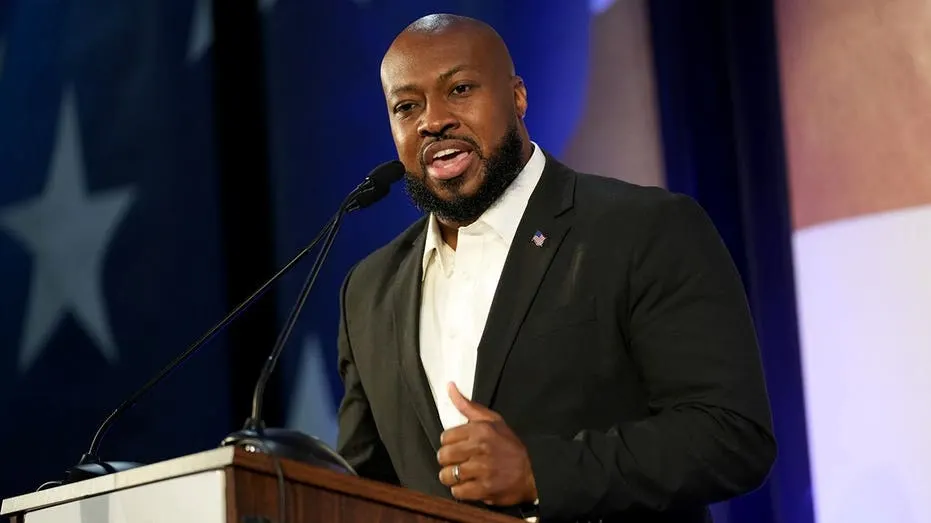
Democratic candidate Julian Beaudion has withdrawn from South Dakota's US Senate race, leaving an independent as the sole remaining challenger to Republican incumbent Sen Mike Rounds. The move reflects the difficult political terrain Democrats face in the deeply conservative state, where the party has struggled to field competitive statewide candidates in recent election cycles.
With Beaudion's exit, the field narrows to Rounds and an independent contender, reducing the race to effectively a two-way contest. Rounds, who has served as the state's senior senator and previously as governor, remains a strong favourite given South Dakota's consistent Republican lean in statewide races.
In short
- Democrat Julian Beaudion quits South Dakota Senate race
- Independent candidate now sole challenger to Sen Mike Rounds
- Republican Rounds remains heavy favourite in conservative-leaning state
Steelman: both sides, in good faith
The strongest fair case each way — we don't pick a winner.
The case for
South Dakota presents a deeply unfavourable electoral environment for Democrats, with the state voting consistently Republican in statewide races. Withdrawing a non-competitive candidate allows the party to concentrate scarce resources on winnable races, maximising practical legislative impact and national influence.
The case against
Ceding races without contest narrows democratic competition and abandons voters seeking Democratic representation. Challenging incumbents—even in unfavourable terrain—maintains political voice, holds power accountable, and builds essential local infrastructure. Accepting permanent non-competitiveness undermines the democratic principle that parties should compete everywhere.
Explained simply
South Dakota has two seats in the US Senate, which helps make federal laws and approves some presidential appointments. Senators serve six-year terms, and voters choose them in statewide elections.
Mike Rounds is a Republican senator for South Dakota and previously served as the state’s governor. The state has generally favoured Republican candidates in recent statewide elections, making it difficult for Democrats to compete.
Independent candidates run without a major party’s nomination. Their presence can shape who voters choose, though their prospects depend on their support across the state.
Americas Government Politics World