Dem Senate hopeful pivots on data centers as rising power costs collide with campaign
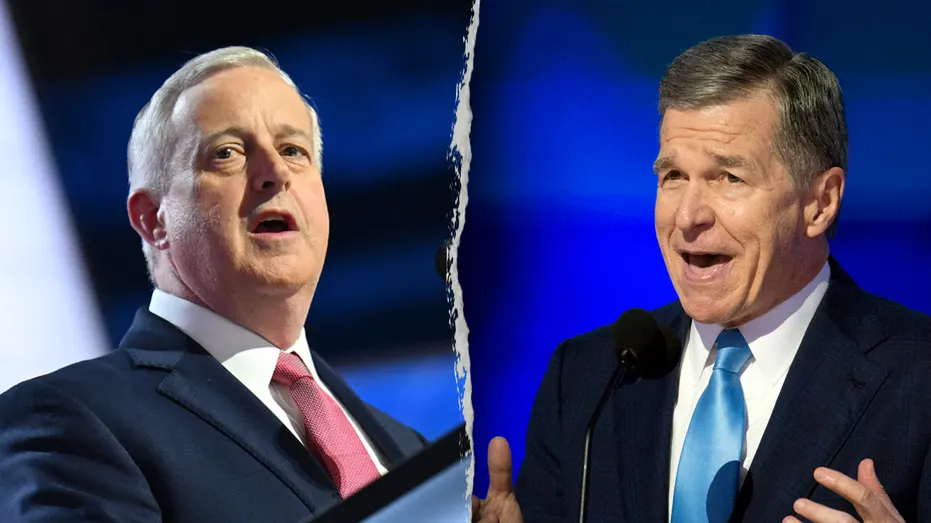
Roy Cooper, the Democratic nominee for US Senate in North Carolina, is now calling for data centres to pay for their own power and build their own energy sources, arguing their expansion is driving up electricity costs for ordinary consumers. This marks a notable shift for Cooper, who as governor from 2017 championed the state's data centre boom and personally welcomed major projects, and it places him among several Democrats seeking to make affordability, including utility costs tied to the tech sector, a central campaign theme.
Much of the tax framework benefiting data centres predates Cooper's time in office, including a 2016 statute expanding exemptions for firms investing at least $75 million (£59 million) over five years, and research cited in the article shows data centre construction rose fifteenfold largely during his tenure. Under Cooper, Apple secured an $845 million (£667 million) state grant over 39 years for its Maiden facility, while companies including Meta, Microsoft, Google and Corvid Technologies also expanded or completed projects in the state; overall, 37 companies obtained state tax exemptions between 2015 and 2025.
- Cooper now wants data centres to fund their own power supply
- He previously promoted North Carolina's data centre growth as governor
- Apple, Meta, Google and others benefited from state incentives under him
New here? Start with this
Data centres have become one of the biggest sources of new electricity demand in the United States, and North Carolina has attracted a large share of them thanks to tax breaks first put in place in the mid-2010s. As these facilities have expanded, concerns have grown that the extra power they draw is pushing up electricity bills for households and small businesses in the state.
Roy Cooper served two terms as North Carolina's governor before stepping down, and during that time the state actively courted large tech firms building data centres, offering grants and tax exemptions to companies including Apple, Meta, Microsoft and Google. He is now the Democratic Party's nominee for one of North Carolina's US Senate seats, running in a contest that could help determine control of the chamber.
The issue matters because it touches on a broader debate playing out across the US about who should bear the cost of the huge amounts of electricity that data centres, many of them built to support artificial intelligence, consume. It also raises questions of political consistency, since Cooper is now criticising an industry he helped attract to the state while he was governor.
Both sides, in good faith
The strongest fair case each way — we don't pick a winner.
The case for
Advocates of Cooper's new stance argue that ordinary households should not be left to underwrite the enormous electricity demands of an industry now dominated by trillion-dollar technology firms. They contend that data centres represent a uniquely large, predictable and rapidly growing load on the grid, so it is only fair that these firms fund the generation, transmission and cooling infrastructure their operations require, rather than spreading those costs across residential ratepayers already grappling with rising bills. On this view, adjusting policy as circumstances change, including the scale of the sector's expansion, reflects responsible governance rather than inconsistency, and affordability deserves to be a central campaign issue when it affects everyday constituents.
The case against
Sceptics of this shift argue that the tax incentives and welcoming posture Cooper once championed helped deliver genuine economic gains for North Carolina, including major investment, construction jobs and a broadened tax base from firms such as Apple, Meta, Microsoft and Google, much of it built on a framework the state had already established before he took office. They caution that abruptly demanding data centres self-fund their power supply could deter future investment and push projects to more accommodating states, undermining years of economic development work, and they note that a candidate reversing a signature policy achievement so close to an election naturally invites questions about whether the change is driven by genuine conviction or electoral calculation.