Entertainment news and discussion on TalkFuse.
Dementia music charter seeks simpler access to familiar songs
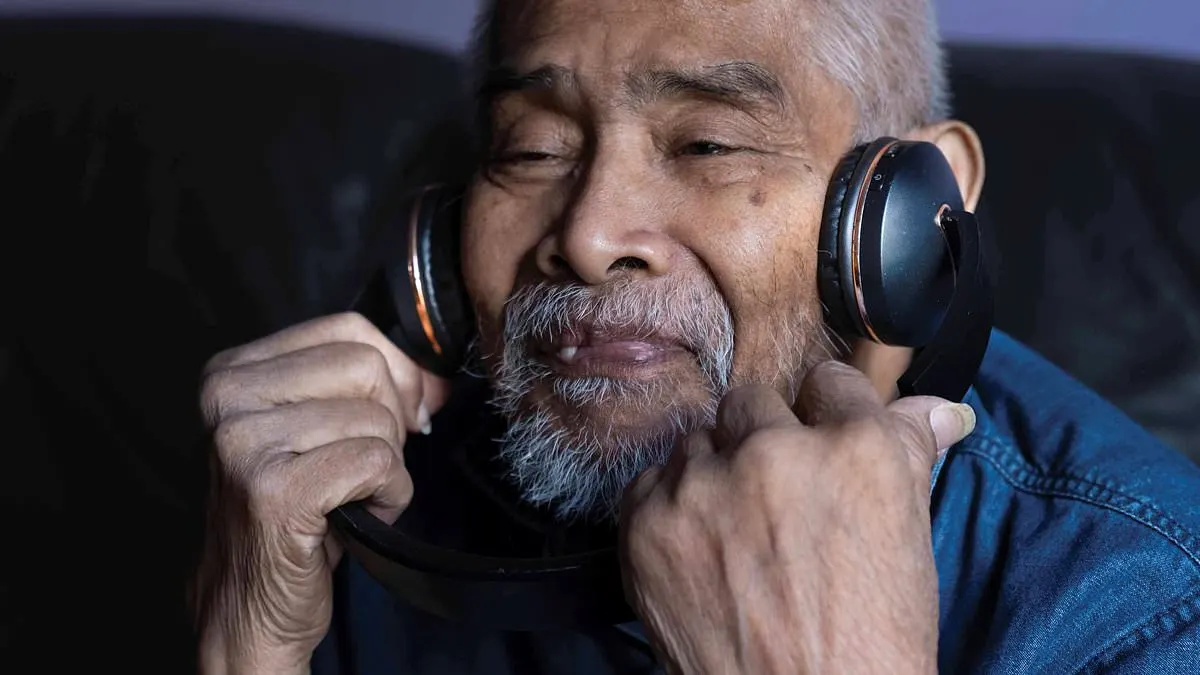
Dementia patients can miss out on familiar music that may evoke memories, ease distress and help them connect with loved ones because streaming services and touchscreen devices can be difficult to use. A new charter, to be launched at the House of Lords, aims to make personalised music more accessible.
Research by Music for Dementia and Age UK found that only three in ten older family carers can stream music with the person they support, while six in ten internet users aged 65 and over never stream music or video. The Music Made Easy Charter brings together music, technology and care organisations, which will commit to taking action within 12 months. Possible steps include simpler devices, designing products with people with dementia, and easier licensing and account arrangements; in a trial, 92 per cent of families said they would recommend screen-free music devices.
In short
- Streaming technology can prevent people with dementia from accessing familiar music.
- A new charter aims to make music easier to use and personalise.
- 92 per cent of trial families recommended screen-free devices.
Steelman: both sides, in good faith
The strongest fair case each way — we don't pick a winner.
The case for
Supporters argue that people with dementia should have practical access to music they know and love, since it can prompt memories, ease distress and help them connect with family. A shared charter could encourage care, technology and music organisations to make devices and licensing simpler, guided by the experiences of people with dementia and their carers.
The case against
A cautious view is that a voluntary charter may raise expectations without ensuring that services change, especially if organisations face practical or licensing barriers. Screen-free devices may help some families, but personal needs differ, and efforts to simplify access should be tested with users and carers and avoid treating music as a substitute for individual care.
Explained simply
Dementia can affect memory, communication and the ability to use everyday technology. Music that someone knows well may bring back memories and help them feel calmer or connect with family, although its effects vary from person to person.
Personalised music is often played through streaming services, which can require internet access, accounts and touchscreens. These can be difficult to manage, and research by Music for Dementia and Age UK found that many older carers do not stream music with the person they support.
Music for Dementia, Age UK and organisations in music, technology and care are among those involved in efforts to make familiar songs easier to access. Simpler devices and easier account or licensing arrangements could help families and care settings use music more readily.
Read the full article at the source →
Originally published by Daily Mail as “Dementia patients ‘locked out’ of music that can evoke memories and reduce distress because modern streaming platforms and devices are too complex to use, the House of Lords to hear”.