Politics news and discussion on TalkFuse.
Haley Stevens endorses Republican Mike Rogers after losing Democratic primary
Developing story first seen 1 hour ago
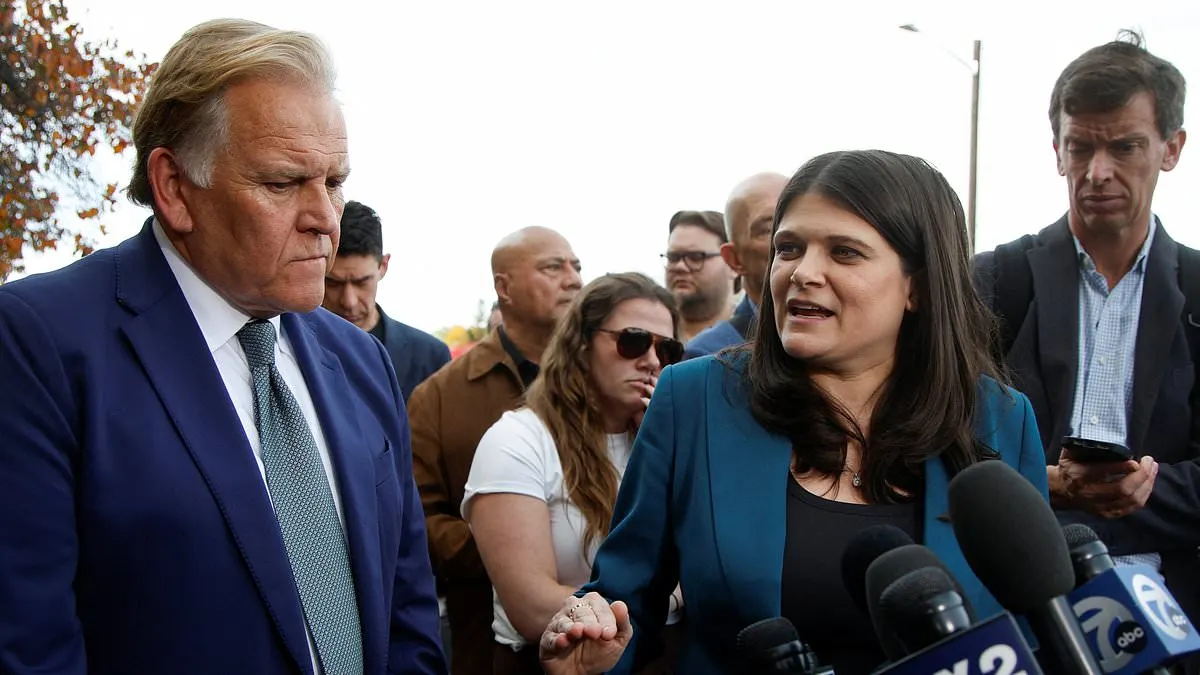
Democratic Senate candidate Haley Stevens has endorsed Republican Mike Rogers just days before Michigan’s midterm vote, after losing her party’s primary to Abdul El-Sayed. Her sudden decision prompted most of her congressional staff to resign, and former governor Jim Blanchard has alleged that Stevens’s fiancé, Jason Turkish, influenced her change of position.
Turkish, who had already backed Rogers, has criticised El-Sayed’s rhetoric on Israel and antisemitism, saying he believes it puts Jews at risk. Blanchard said Turkish pressed Stevens during a Friday dinner, when she still supported El-Sayed; Stevens publicly endorsed Rogers on Sunday. Stevens said she had made up her own mind and accused El-Sayed of saying he did not need her support.
- Sources
- 2
- Outlets
- 2
- Left · Centre · Right
- 0 · 0 · 2
In short
- Haley Stevens backed Republican Mike Rogers after losing the Democratic primary.
- Most of her congressional team resigned following the endorsement.
- A former governor blamed her fiancé’s influence; Stevens says the choice was hers.
How this story developed
- 7 minutes ago Democratic Senate candidate Haley Stevens has endorsed Republican Mike Rogers just days before Michigan’s midterm vote, after losing her party’s primary to Abdul El-Sayed.
Steelman: both sides, in good faith
The strongest fair case each way — we don't pick a winner.
The case for
Stevens’s supporters could argue that, after losing the primary, she was entitled to make an independent choice about which candidate best reflected her priorities, including her concerns about El-Sayed’s rhetoric on Israel and antisemitism. If she believes Rogers is better placed to represent those concerns, endorsing him is a legitimate exercise of political judgement, even if colleagues disagree.
The case against
Critics could argue that endorsing the opposing party’s candidate so close to the election risks undermining the voters who chose Stevens in the primary and the broader effort to elect a Democrat. The timing, staff resignations and Blanchard’s account of pressure from her fiancé may reasonably prompt questions about her judgement and independence, though Stevens says the decision was her own.
Explained simply
Michigan is a politically competitive state in the American Midwest, and its Senate seat is decided by voters across the state. The main political parties choose their candidates in primaries, where party members and other eligible voters select who will stand in the general election.
Haley Stevens is a Democratic member of Congress who sought her party’s Senate nomination; Abdul El-Sayed won that primary. Mike Rogers is the Republican candidate. Israel and antisemitism have also featured in debate around the campaign, reflecting disagreements over how candidates discuss Israel and the safety of Jewish people.
The endorsement and staff resignations have drawn attention to divisions within Stevens’s campaign and party. The dispute over whether her fiancé influenced her decision has also raised questions about how political choices are made, though the accounts of what happened differ.
Coverage · 2 sources
Bias meters
From 2 rated sources.
Read the full article at the source →
Originally published by Daily Mail as “Democrat Haley Stevens’ Jewish fiancé is accused of masterminding her sudden switch to Republican candidate: ‘Something snapped in her’”.