Democrat lawmaker’s 107 mph traffic stop brings bodycam battle front and center again
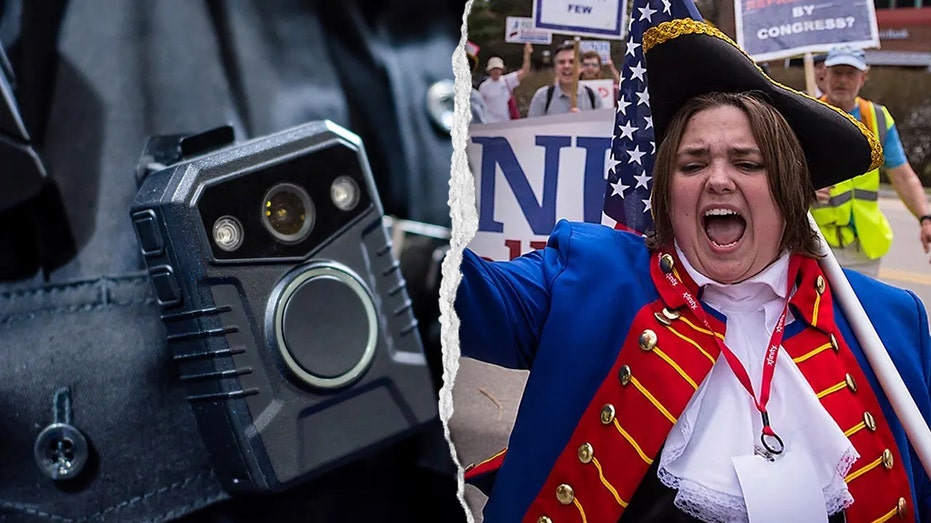
A New Hampshire Democratic lawmaker's traffic stop for excessive speeding has drawn fresh scrutiny to police video recording practices. The sheriff's office involved in the 107 mph traffic stop lacked both body camera and dashboard camera equipment, meaning no video record was made of the interaction, according to Fox News Digital.
The absence of recorded footage has intensified ongoing discussion about police transparency and accountability. The incident highlights the broader policy debate regarding whether law enforcement agencies should mandate video documentation through body cameras and dashboard cameras during traffic stops and other civilian encounters.
- New Hampshire Democratic lawmaker stopped for 107 mph speeding; sheriff's office had no body camera or dashboard camera footage of the stop
- Incident revives debate over whether law enforcement should be required to maintain video documentation during traffic stops and public interactions
Both sides, in good faith
The strongest fair case each way — we don't pick a winner.
The case for
Advocates for mandatory body and dashboard camera funding argue that footage is essential for public trust, protecting both citizens and officers from false accusations, and ensuring that everyone, including elected officials, is treated identically during a stop. They contend that in an era of scrutiny over policing and now over potential special treatment for lawmakers, transparency should not be optional or dependent on a department's budget, and that state or federal funds should close this gap so accountability does not vary by postcode.
The case against
Those sympathetic to smaller, rural sheriff's offices argue that unfunded camera mandates place an unreasonable burden on departments already stretched thin, forcing trade-offs against patrol staffing, equipment or training that more directly affect public safety. They note that the absence of footage in this case does not itself prove wrongdoing, and that local agencies should retain the flexibility to prioritise spending according to their own communities' needs rather than being compelled by outside pressure following a single high-profile incident.