Entertainment news and discussion on TalkFuse.
Democratic National Committee Plans 12 Presidential Primary Debates Starting In June
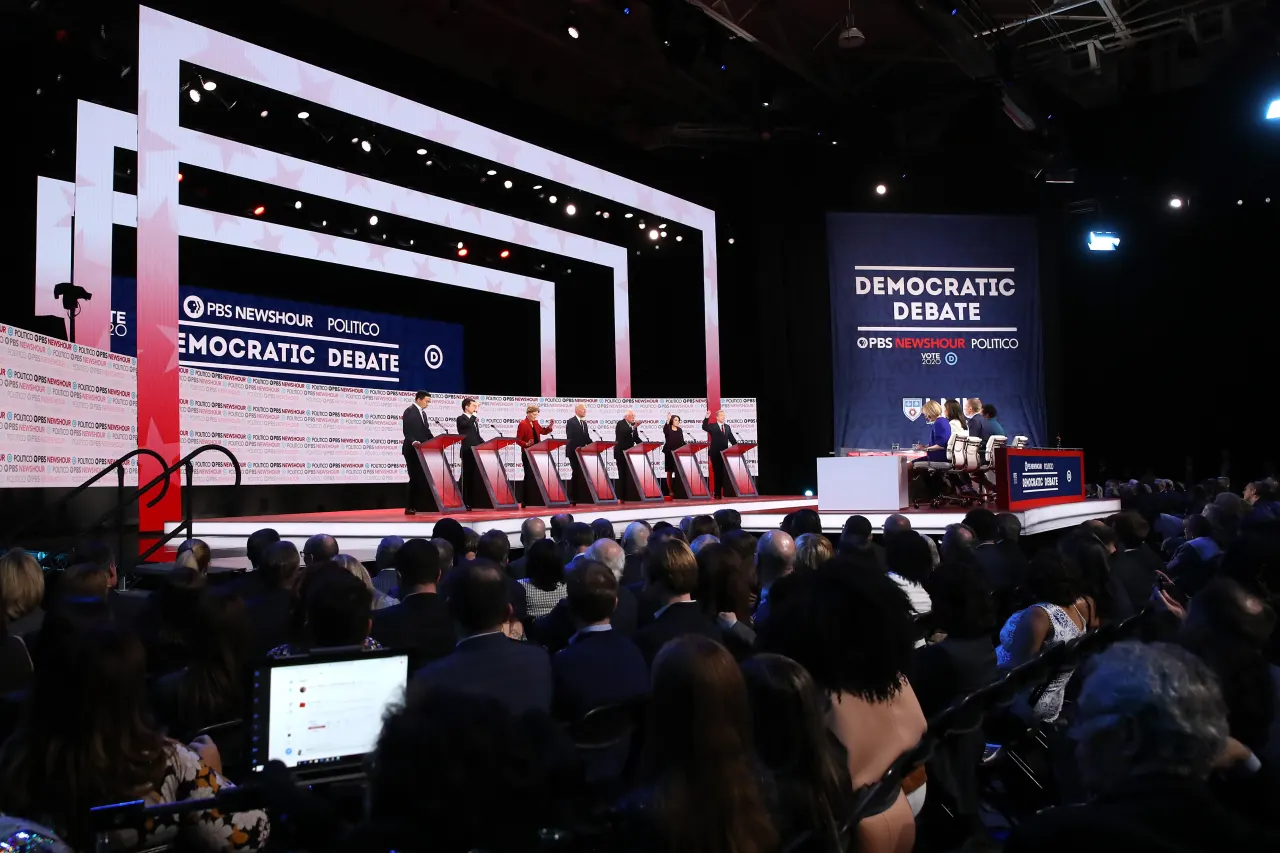
The Democratic National Committee has announced plans for 12 debates for the 2028 presidential primary, beginning in June. The schedule is intended to shape a crowded contest and give the party oversight of candidate debates, while the choice of host broadcaster or streaming partner remains unresolved.
The first two debates are planned for June and July, with the final one in March 2028; the dates may change. The DNC expects up to 20 candidates across two debate nights and will set eligibility rules using polling and other measures, including grassroots fundraising. Candidates must sign a pledge against dark-money spending, and the party says it will bar them from taking part in unsanctioned events where multiple candidates share the stage. The proposed primary calendar begins with South Carolina on 22 January 2028, followed by five other states through 29 February.
In short
- The DNC plans 12 debates starting in June.
- Up to 20 candidates could qualify across two nights.
- South Carolina is scheduled to open the 2028 primary season.
Steelman: both sides, in good faith
The strongest fair case each way — we don't pick a winner.
The case for
A substantial, party-run debate schedule could give voters repeated chances to compare candidates and scrutinise their policies, while common eligibility rules may make a crowded primary more manageable. Requiring candidates to reject dark-money spending and discouraging rival events could help ensure debates are transparent and fairly organised.
The case against
Twelve debates and party-set qualification rules could give the DNC considerable influence over which candidates gain visibility, especially if polling and fundraising thresholds favour those already receiving attention. Restricting participation in unsanctioned multi-candidate events may also narrow candidates’ choices and limit voters’ access to alternative forums.
Explained simply
US presidential candidates are selected through state-by-state primaries and caucuses, where voters choose delegates who go on to nominate a candidate at the party’s national convention. The Democratic National Committee (DNC) runs the party’s national organisation and helps set rules for its nomination contest.
Debates give candidates a chance to present their views and answer questions in front of voters. In a large field, the party’s rules can affect who appears on stage and when candidates get that exposure.
The primary calendar sets the order in which states vote, and early contests can shape attention and support for campaigns that follow. Debate arrangements also involve choosing a broadcaster or streaming partner to host and show the events.