Culture news and discussion on TalkFuse.
Democratic senator defends party’s embrace of far-left candidates in clash with CNBC host
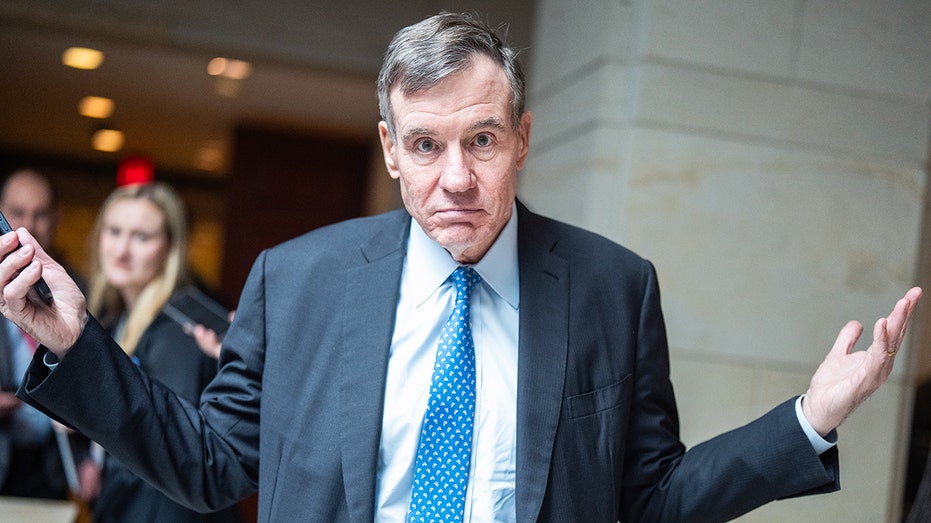
Democratic Senator Mark Warner clashed with CNBC host Joe Kernen on Tuesday over the growing influence of socialist and far-left figures within the Democratic Party, with Warner pushing back against suggestions that the party has shifted too far left. The exchange reflects wider tensions within the Democratic Party as it debates how to handle the rising profile of self-identified democratic socialist candidates, an argument being closely watched ahead of upcoming elections.
The clash occurred during a television interview in which Kernen pressed Warner on the party's embrace of far-left candidates, an issue that has become a flashpoint amid high-profile campaigns from socialist-aligned figures. Warner, a moderate Democrat from Virginia, defended his party's broader coalition rather than distancing himself from its left flank.
In short
- Sen Mark Warner defended Democrats' left flank against CNBC host Joe Kernen.
- Clash centred on party's embrace of far-left, socialist candidates.
- Reflects ongoing internal Democratic debate over the party's ideological direction.
Steelman: both sides, in good faith
The strongest fair case each way — we don't pick a winner.
The case for
The Democratic Party's growing prominence of socialist and far-left candidates represents a meaningful ideological shift that poses genuine electoral challenges. These figures and their policy proposals—on economics, policing, and other matters—lack majority support among the broader electorate, potentially alienating moderate and swing voters whose support is essential for general election victory. The party's embrace of such candidates, whilst understandable within a diverse coalition, creates real tension between appeasing its progressive base and maintaining electoral viability.
The case against
The Democratic Party has always encompassed diverse ideological voices, and contemporary progressive candidates simply represent the natural evolution of political participation rather than a problematic takeover. Voters themselves elevate these candidates through democratic processes, which hardly constitutes undemocratic capture, and characterising socialists as beyond the pale unfairly narrows legitimate political discourse. A healthy major party thrives on ideological pluralism, and the meaningful question is whether the party's overall platform retains majority support, not whether every faction within it disapproves of certain members.
Explained simply
The Democratic Party is one of the two major political parties in the United States, traditionally representing centre-left to centre positions. In recent years, the party has seen an increase in prominent figures who identify as democratic socialists or advocate for far-left policies, a development that has created tensions within the party's own ranks.
Some within the Democratic Party, particularly moderate members, worry that the party's public image is being shaped too heavily by its most left-wing figures and their policy proposals. Others contend that embracing a wider range of viewpoints, including those from socialist-leaning candidates, strengthens the party's coalition and appeals to younger voters who support more radical economic reforms.
This internal debate matters because how the Democratic Party positions itself on the political spectrum affects its electoral success and the policies it ultimately backs. The friction between moderates and the left wing is likely to influence who the party supports as candidates and how it frames its message to voters in upcoming elections.
Art Culture Geopolitics Politics World