Politics news and discussion on TalkFuse.
Democrats’ Boycott Goes Bust, Trump’s FCC Pick Advances
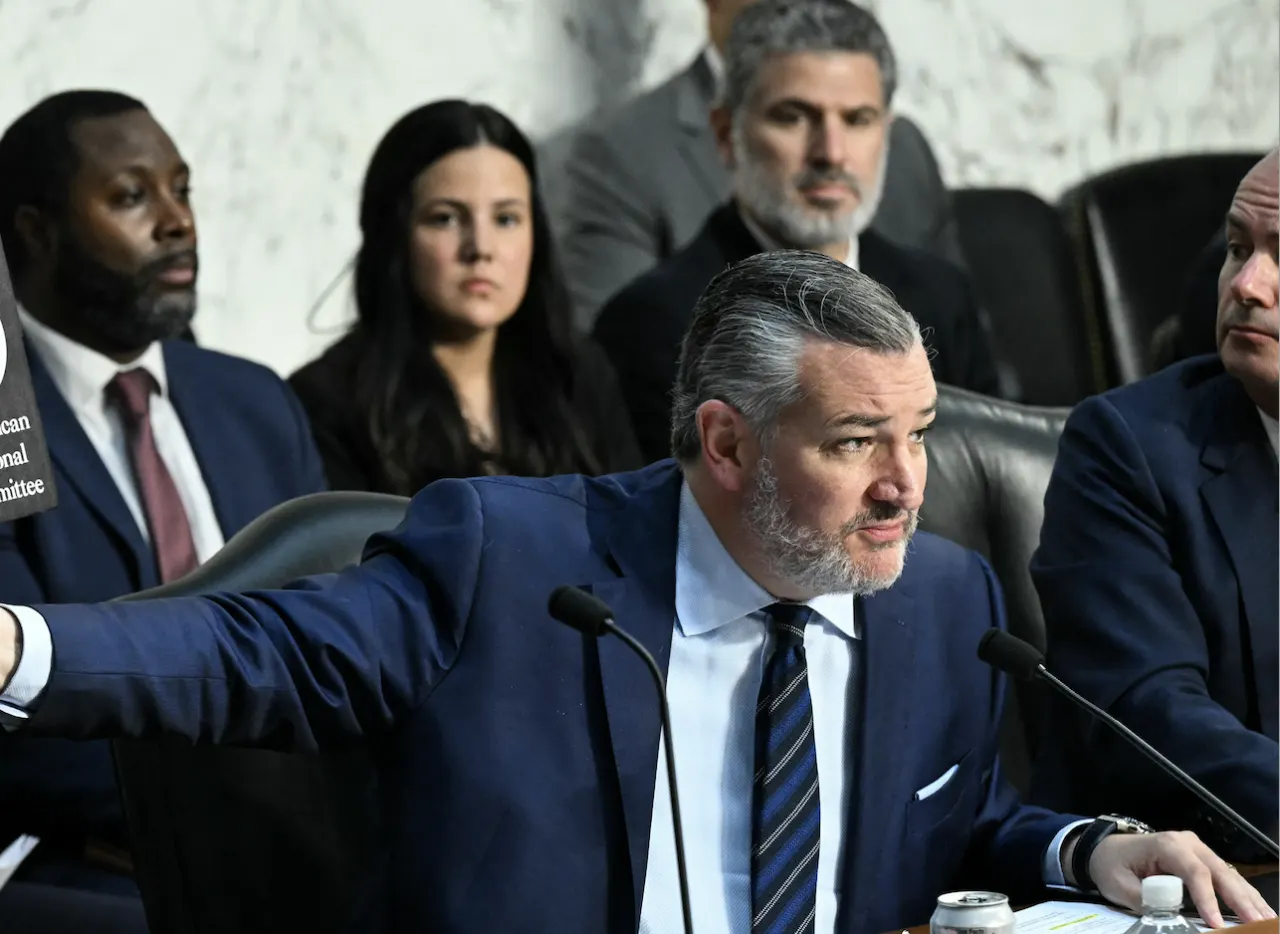
The Senate Commerce Committee advanced Danielle Thumann Severs’s nomination to the Federal Communications Commission on Wednesday, despite a boycott by its Democratic members. The move brings President Donald Trump’s nominee closer to confirmation before Democrats take control of the Senate in January.
Democrats urged committee chairman Ted Cruz to delay consideration until January, arguing that the Republican majority was rushing nominees through without bipartisan agreement. The committee currently has three FCC commissioners, two Republicans; Democrats say adding Severs could enable Trump to remove Anna Gomez, the commission’s sole Democrat. The article also notes Democratic criticism of FCC chairman Brendan Carr over investigations involving media companies and broadcasters.
In short
- Senate committee advanced Trump’s FCC nominee despite Democrats’ boycott.
- Democrats had asked for the vote to be delayed until January.
- They warn the nomination could put the FCC’s sole Democrat at risk.
Steelman: both sides, in good faith
The strongest fair case each way — we don't pick a winner.
The case for
Supporters could argue that the committee majority is entitled to advance a qualified presidential nominee under the Senate’s procedures, and that completing the process before the change in Senate control avoids leaving the FCC short-handed. They may also see the nomination as a legitimate way for an elected administration to shape the commission’s direction and carry out its communications policy.
The case against
Democrats could argue that delaying consideration until January would allow the incoming Senate to assess the nomination with fuller participation and seek bipartisan agreement on an independent regulator. They may also contend that adding a Republican-appointed commissioner could weaken political balance at the FCC and make it easier to remove its sole Democratic member, particularly amid concerns about the chairman’s investigations of media organisations.