Democrats can take the lead on one of the nation’s top issues – data centers
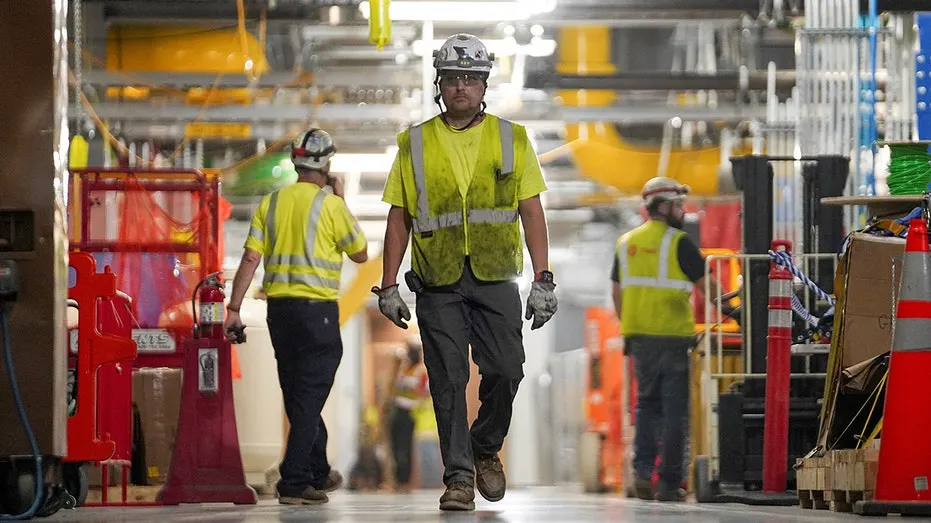
This Fox News opinion piece argues that Democrats have an opportunity to seize a winning issue by opposing local moratoriums on data centre construction, rather than caving to community backlash. The author warns that pausing new builds in response to angry residents at town hall meetings would stifle innovation, cede leadership in artificial intelligence to China, and undermine US national security, while also costing ordinary Americans well-paid jobs.
The piece frames blanket opposition to data centres as economically self-defeating, claiming it would deprive workers of hundreds of millions of dollars in future wages annually and forgo billions in tax revenue, alongside union construction jobs. It references real-world flashpoints, including Texas Governor Greg Abbott's data centre pause (criticised by President Trump) and debates over Virginia's "Data Center Alley," as evidence of a growing political fight the author believes Democrats could win by backing continued development rather than restrictions.
- Opinion piece urges Democrats to oppose data centre moratoriums.
- Author warns pauses cost jobs, tax revenue and US AI competitiveness.
- Cites Texas Governor Abbott's data centre pause as a cautionary example.
New here? Start with this
Data centres are buildings filled with computer servers that store information and run online services, including artificial intelligence tools. They need large amounts of electricity and cooling, and their construction can affect local land use and infrastructure.
US communities are debating whether to allow more data centres or pause new projects. Residents have raised concerns about their effects, while developers and supporters point to construction work, tax income and the computing capacity they provide. Virginia’s “Data Center Alley” is one prominent area where this debate is taking place.
The issue involves local decisions about development as well as wider questions about jobs, energy use and the United States’ role in artificial intelligence. Political leaders, including Texas Governor Greg Abbott, have become part of the debate over whether construction should continue or face limits.
Both sides, in good faith
The strongest fair case each way — we don't pick a winner.
The case for
Proponents of expanded data centre development argue that communities and policymakers must weigh short-term local disruptions against substantial economic and strategic gains. Data centres create well-paid employment, generate tax revenue, and strengthen America's technological competitiveness at a moment when artificial intelligence leadership carries genuine national security implications. From this perspective, blanket moratoriums represent a loss-aversion bias that sacrifices tangible prosperity and geopolitical advantage for speculative local concerns, ultimately harming the working families these policies purport to protect.
The case against
Opponents contend that approving sprawling data centre development without robust local oversight ignores genuine environmental and infrastructure challenges. These facilities consume vast quantities of water and electricity, straining regional grids and exacerbating climate change—costs that communities bear disproportionately whilst profits flow to distant corporations. The argument emphasises that meaningful local democratic input is essential to sustainable development, and that treating community concerns as mere obstacles to be overcome, rather than legitimate constraints on growth, betrays both environmental stewardship and the principle that affected residents should shape their own surroundings.