Politics news and discussion on TalkFuse.
Democrats could enter congressional majority in a government shutdown
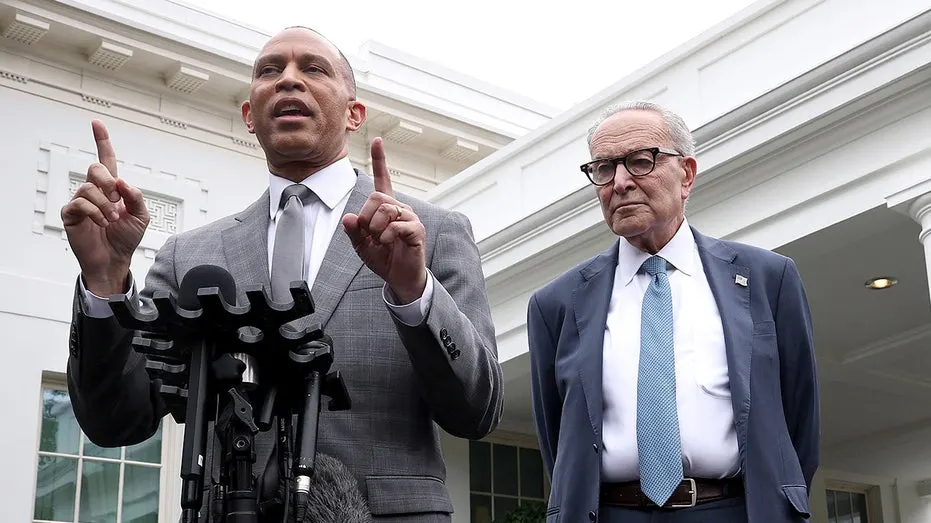
Some House Republicans warn that Democrats could let the US government shut down when funding expires on 11 December 2026, as they anticipate taking control of Congress after midterm victories. The dispute could delay government operations and turn budget negotiations into an early test of the new balance of power.
Congress extended fiscal year 2026 funding from 1 October to 11 December, postponing the fiscal year 2027 budget fight until after the elections. Many lawmakers see another short-term funding extension, potentially lasting into 2028, as the likeliest outcome, while Democrats have proposed an extension only to March. A further flashpoint is the Iran war: several Senate Democrats are seeking limits on funding for offensive operations, which Republicans say they are unlikely to accept.
In short
- Funding runs out on 11 December 2026.
- Lawmakers may resort to another short-term extension.
- Limits on Iran war funding could complicate talks.
Steelman: both sides, in good faith
The strongest fair case each way — we don't pick a winner.
The case for
Democrats could argue that a shutdown threat gives them leverage to secure a shorter funding extension and press for limits on funding offensive operations in Iran. With a newly strengthened mandate, they may see using budget negotiations to shape policy as a legitimate way to represent voters and ensure Congress scrutinises the war.
The case against
Republicans could argue that funding the government should not be made contingent on demands they oppose, particularly restrictions on military operations during a war. They may favour a longer extension to give agencies and the public stability, and contend that allowing a shutdown would disrupt services without resolving the underlying disputes.
Explained simply
The US Congress controls federal spending, and government departments need funding approved by lawmakers to keep operating. When that funding expires without a new law, some services can shut down and many federal employees may be furloughed or work without pay.
The House of Representatives and Senate must agree on a funding measure, which is then signed by the president. The midterm elections can change which party controls Congress, affecting who sets the agenda and how budget talks proceed.
A short-term extension keeps existing funding in place while lawmakers negotiate a fuller budget. Disagreements over how long an extension should last, and over limits on funding for military operations, can complicate those talks and affect government services.
Elections Government Politics World